
How do biochromes differ from schemochromes?
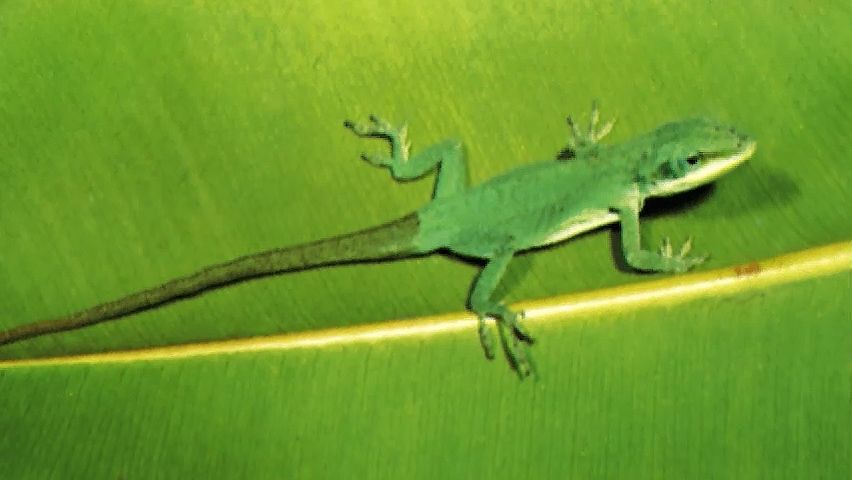
In biology, the distinction between biochromes and schemochromes lies in their physical and chemical origins:
-
Biochromes (Pigments): These are natural chemical substances that produce color by reflecting or transmitting specific portions of the solar spectrum. Because they are of molecular origin, their color is independent of the organism's physical structure and remains unchanged by crushing, grinding, or compression. Biochromes are found in various biological structures, including skin, hair, feathers, and specialized cells called chromatophores.123
-
Schemochromes (Structural Colors): These colors are produced physically rather than chemically. They arise from submicroscopic structures that fractionate incident light into its component colors. Unlike biochromes, structural colors are often altered or destroyed if the organism's physical structure is crushed or compressed.1
While these two mechanisms are distinct, they often work together; structural colors are frequently reinforced by the presence of biochromes to enhance an organism's coloration.1