
How did the phlogiston theory attempt to explain burning?
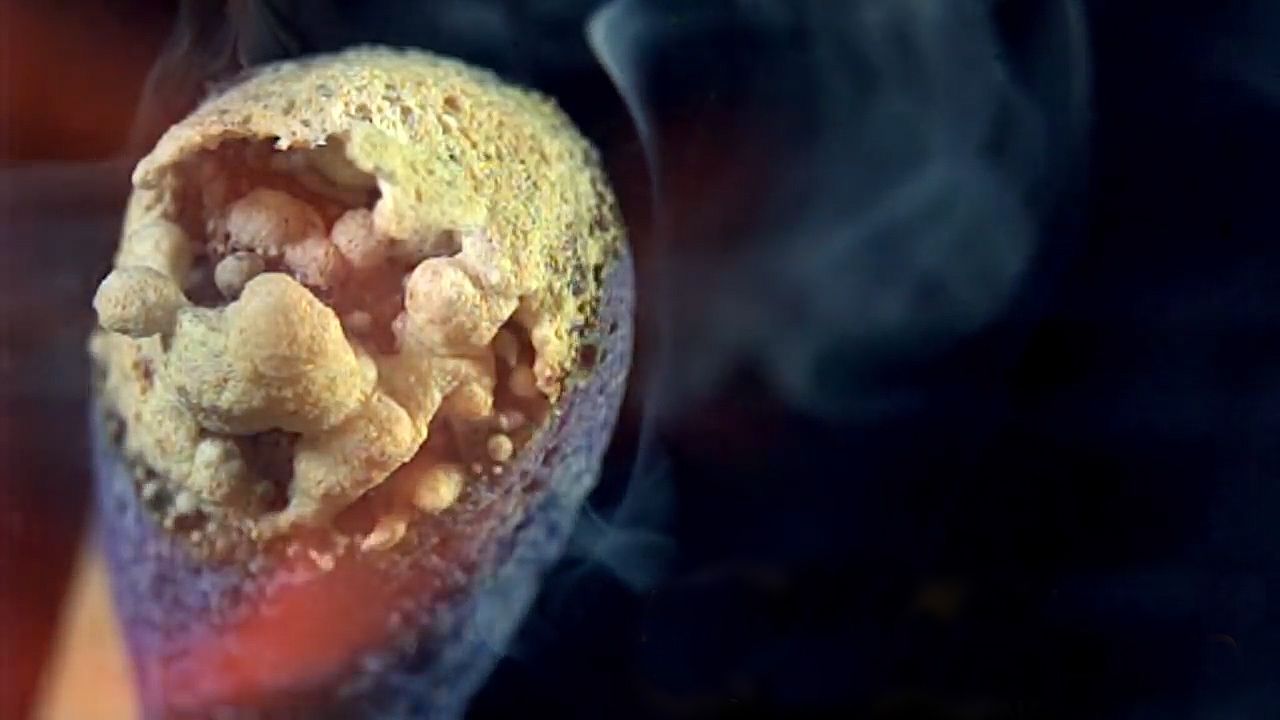
The phlogiston theory was an early chemical hypothesis that attempted to explain combustion by proposing the existence of a hypothetical "fiery substance" called phlogiston.12
Developed by Georg Ernst Stahl in the early 18th century, the theory posited that every combustible material was composed of a residue (such as ash or metallic calx) and phlogiston. According to this view, burning was the process of liberating phlogiston into the air, which acted merely as a medium to carry the substance away. Similarly, the corrosion of metals was considered a slow form of combustion where phlogiston was lost.321
This theory was eventually disproved by Antoine Lavoisier, who demonstrated through careful measurement that combustion involves the absorption of oxygen rather than the release of a hypothetical principle. While the phlogiston theory provided a framework for understanding oxidation and reduction before the discovery of oxygen, it failed to account for the weight changes observed during these chemical reactions.23