
How did oral rehydration salts reduce cholera deaths among refugees in West Bengal in 1971?
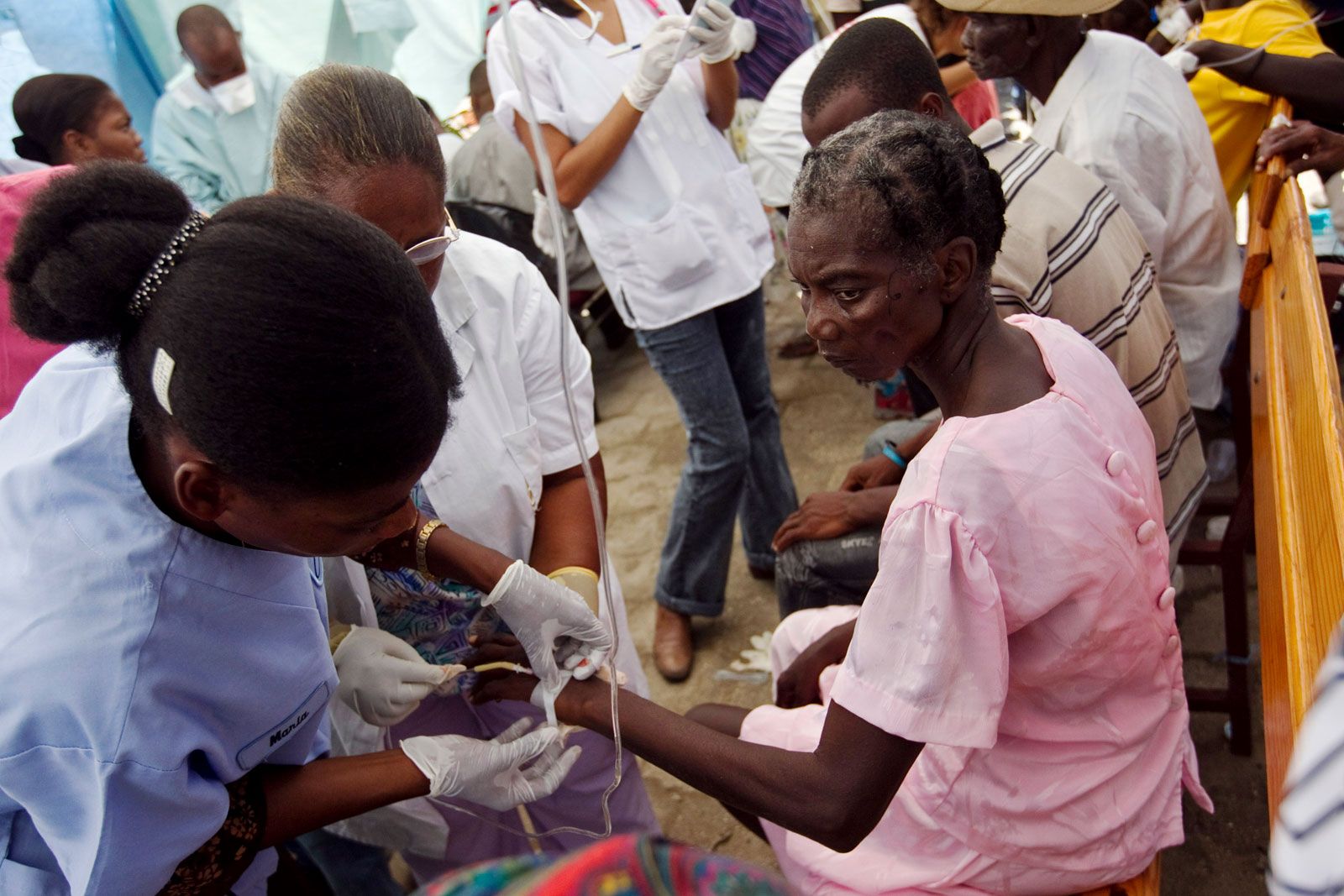
During the 1971 cholera outbreak among refugees in West Bengal, the use of oral rehydration salts (ORS) proved to be a life-saving medical intervention when supplies of intravenous saline were rapidly depleted.1
Physician Dilip Mahalanabis and his colleagues demonstrated that by administering an oral glucose-electrolyte solution, they could maintain patient hydration by leveraging a critical biological mechanism: the small intestine’s ability to absorb sodium is linked to the absorption of glucose. This process allows the body to effectively replace the fluids and electrolytes lost to the cholera enterotoxin.12
As a result of this treatment, the fatality rate among the refugees dropped significantly, falling from 30 percent to 3.6 percent. This successful application in a crisis setting helped establish ORS as a highly effective, accessible, and essential treatment for cholera and other diarrheal illnesses worldwide.12