
Britannica
Sources used in this answer
How did Joseph Priestley and Carl Wilhelm Scheele contribute to the discovery of oxygen?
Created from Britannica articles
using AI.
AI can make mistakes, so verify using Britannica articles.
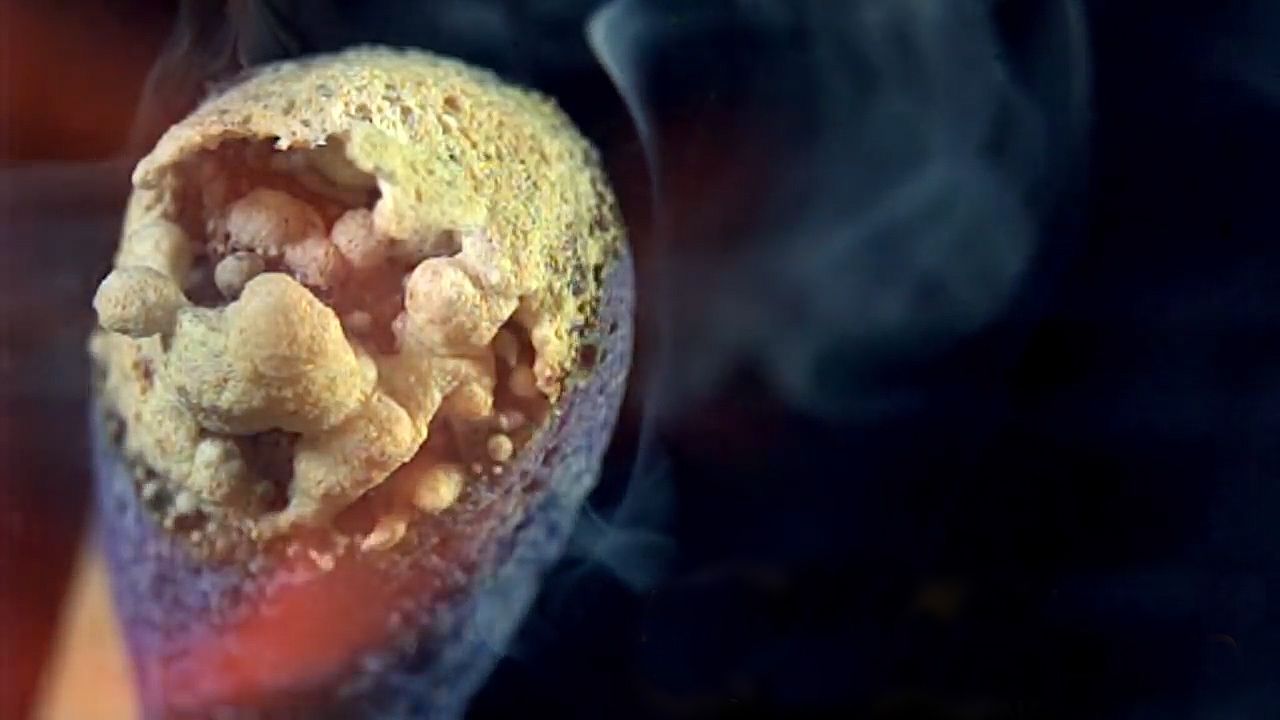
combustion
Learn about the chemistry of lighting a match.
Joseph Priestley and Carl Wilhelm Scheele are both credited with the independent discovery of oxygen, though they interpreted their findings through the lens of the prevailing phlogiston theory rather than as a new element.12
- Carl Wilhelm Scheele: Working with limited equipment, Scheele independently isolated oxygen by heating substances such as mercury oxide and black magnesia. He measured the gas—which he found to be about one-fourth of ordinary air—and called it "fire air," believing it was air that had not yet been saturated with phlogiston.2
- Joseph Priestley: In August 1774, Priestley isolated the gas by heating red mercuric oxide. Observing that a candle burned brightly and a mouse thrived in it, he termed it "dephlogisticated air." He later shared his findings with Antoine Lavoisier in Paris.13
While both scientists provided the experimental foundation for the discovery, they remained committed to the phlogiston theory. It was Lavoisier who later utilized their experimental results to identify the gas as oxygen, ultimately using it to disprove the phlogiston theory and revolutionize the understanding of combustion.143