
How could seasonal changes in plant color reveal life on a distant Earth-like planet?
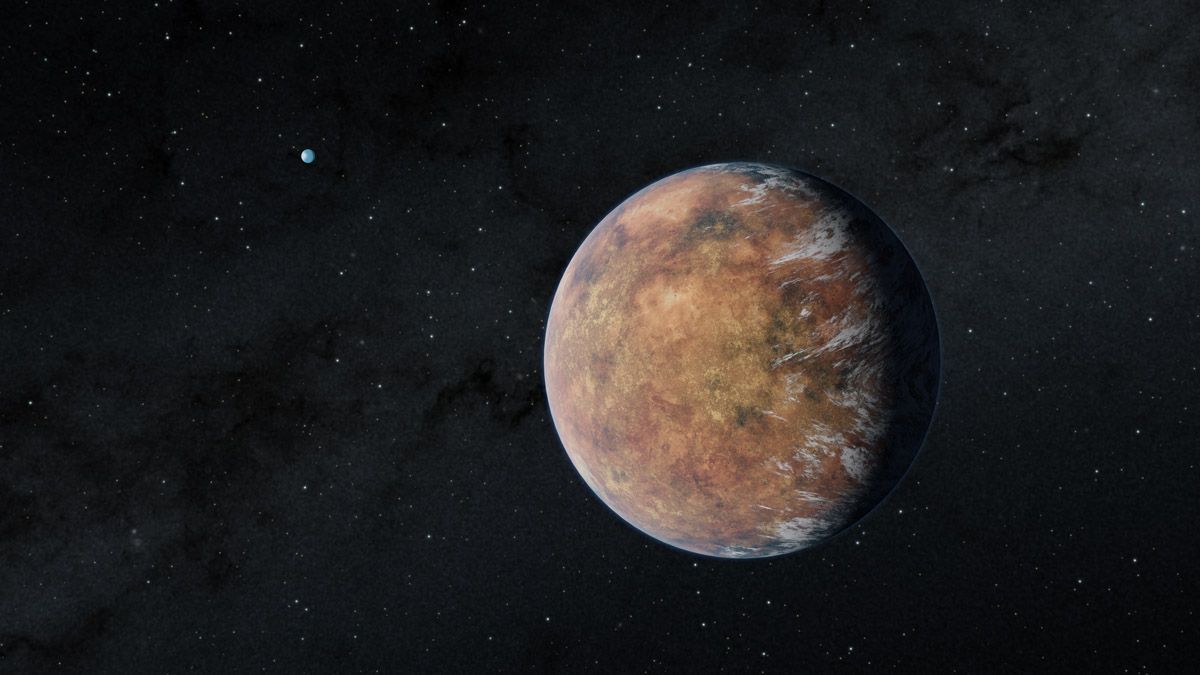
In the field of astrobiology, detecting seasonal changes in plant color is considered a potential remote-sensing method for identifying life on a distant planet.1
This technique relies on observing the planet’s surface over time to identify cyclic variations in reflected light, which may indicate the presence of a biosphere responding to seasonal shifts. On Earth, such changes are driven by the planet's axial tilt and orbit, which cause fluctuations in solar radiation. These variations trigger biological responses, such as the seasonal dormancy and leaf fall of deciduous trees, which alter the surface's albedo (reflectivity).12
If a distant planet exhibits similar periodic shifts in color, it may suggest that vegetation or other life-forms are undergoing metabolic or physiological changes in response to seasonal cycles. While such observations provide a compelling indicator of life, scientists emphasize that remote-sensing data must be carefully interpreted, as many potential biosignatures can be ambiguous and require further analysis to distinguish biological activity from nonbiological processes.12