
Britannica
Sources used in this answer
How can inert gases extinguish a flame?
Created from Britannica articles
using AI.
AI can make mistakes, so verify using Britannica articles.
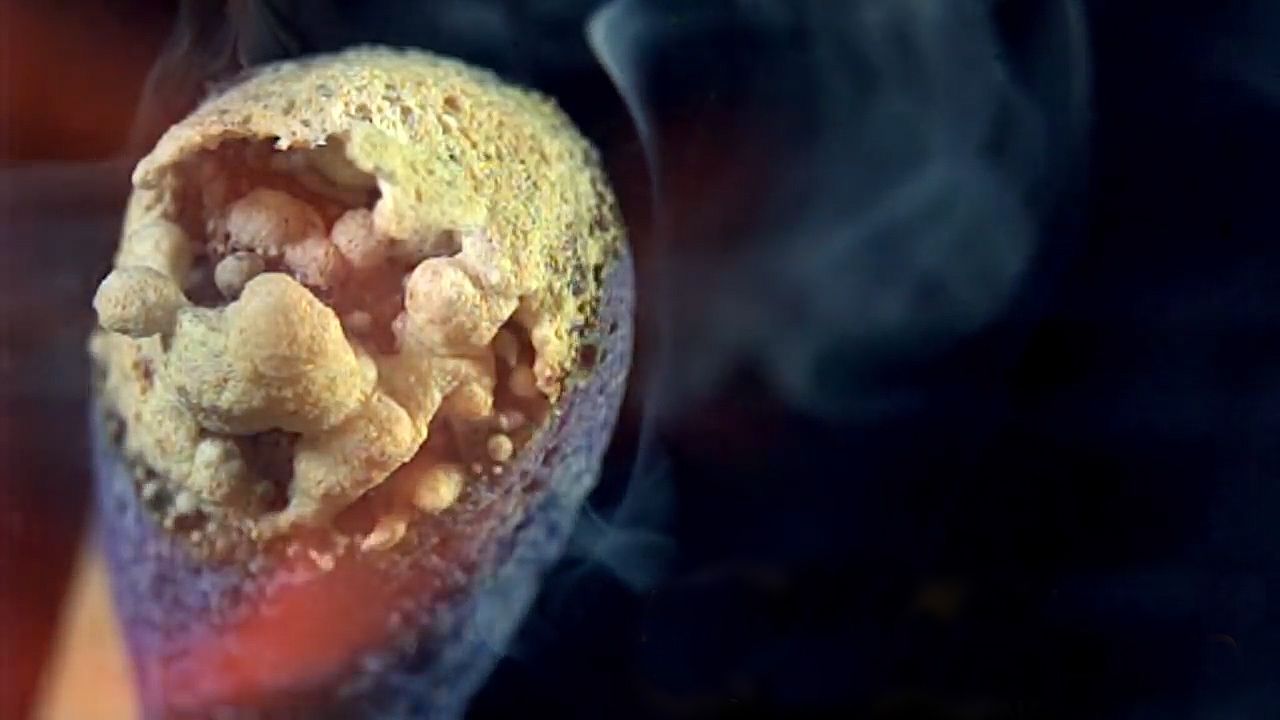
combustion
Learn about the chemistry of lighting a match.
Inert gases extinguish a flame primarily by diluting the burning mixture, which lowers the flame temperature and, consequently, the reaction rate of the combustion process.1
When a sufficient amount of an inert gas—such as nitrogen or helium—is introduced into the combustion zone, it interferes with the self-propagating cycle of the flame. Because flame propagation relies on heat transport and the diffusion of active particles to ignite the unburned fuel-air mixture, the presence of inert gases disrupts these conditions. By reducing the temperature below the level required to sustain the reaction, the inert gas effectively causes the flame to extinguish.21