
How can graphene experiments help scientists investigate the Klein paradox?
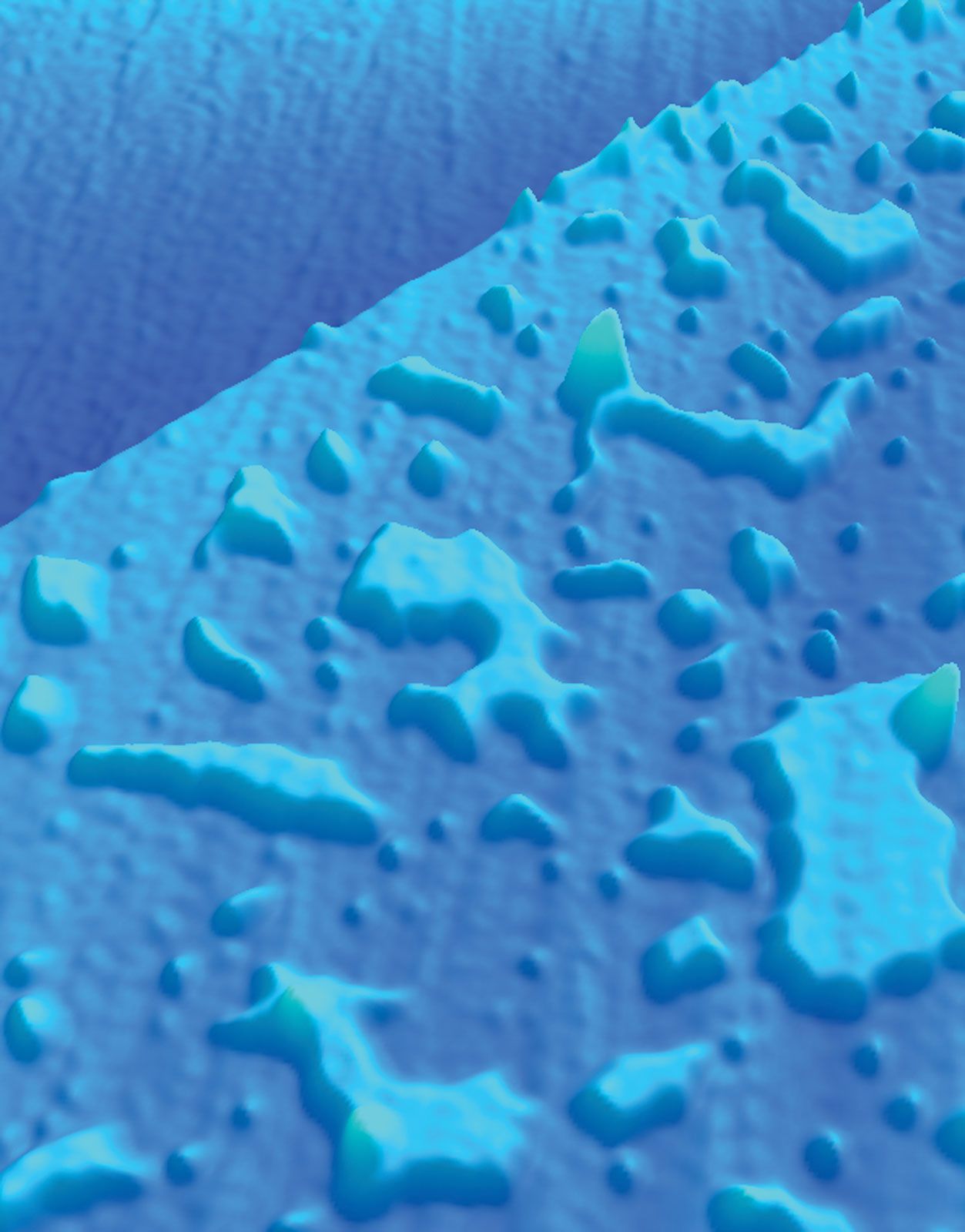
Graphene serves as a valuable test bed for investigating the Klein paradox because the electrons and holes within its honeycomb lattice behave similarly to ultra-relativistic quantum particles—particles that move at the speed of light.1
In fundamental physics, the Klein paradox describes a phenomenon where these relativistic particles can penetrate high and broad energy barriers with ease, contrary to classical intuition. While this effect is difficult to observe using traditional particle accelerators due to the extreme energies required, graphene allows scientists to study it more easily.1
Because the charge carriers in graphene move at approximately 1/300th the speed of light, their behavior can be measured and analyzed with greater accessibility. By treating graphene as a bridge between materials science and quantum mechanics, researchers can observe these relativistic quantum effects in a controlled, laboratory-scale environment.1