
Britannica
Sources used in this answer
How can dark coloration affect an animal’s heat gain from sunlight?
Created from Britannica articles
using AI.
AI can make mistakes, so verify using Britannica articles.
coloration
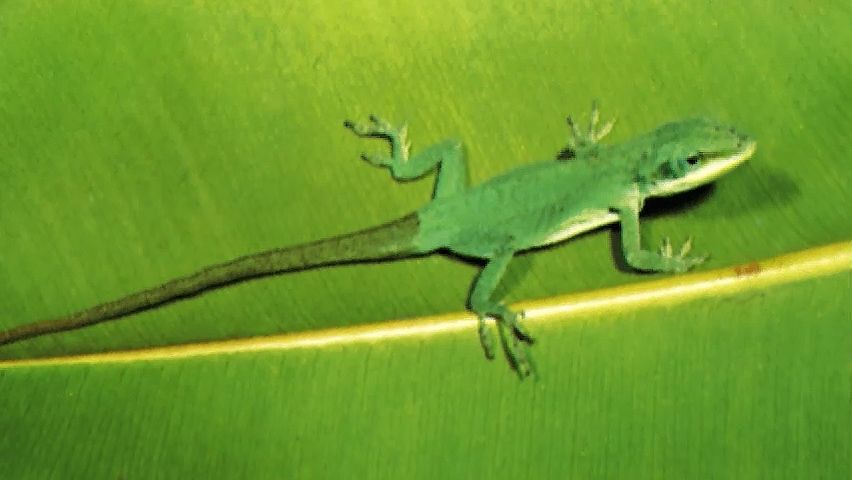
The anole changes color in response to its stress level.
Dark coloration significantly influences how an animal manages solar energy and body heat, though the effects vary depending on the organism's structure.1
- Increased Heat Gain: Dark skin, scales, or hair generally absorb more solar energy, which can lead to increased heat gain and reduced metabolic rates. For instance, dark leg coloration in some birds may help warm their uninsulated legs, potentially reducing overall heat loss.1
- Reduced Heat Penetration: Conversely, dark feathers can sometimes reduce the amount of solar energy that reaches an animal's skin. When a bird has fully erect plumage in moderate winds, a dark bird in direct sunlight may actually absorb less heat into its body than a light-colored bird. This mechanism is believed to be a contributing factor to the prevalence of black coloration among many desert-dwelling bird species.1