
Britannica
Sources used in this answer
How can bright male coloration be favored by sexual selection despite attracting predators?
Created from Britannica articles
using AI.
AI can make mistakes, so verify using Britannica articles.
coloration
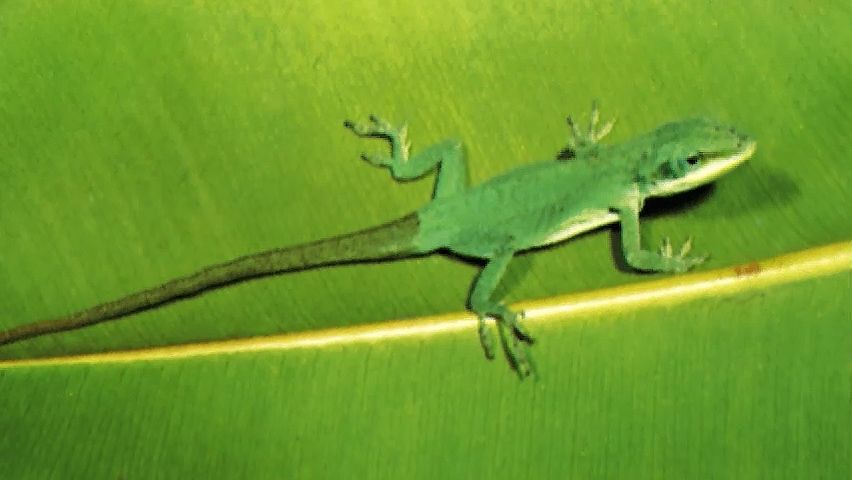
The anole changes color in response to its stress level.
Bright male coloration is favored by sexual selection because the reproductive advantages gained by these traits outweigh the survival risks posed by increased visibility to predators.1
While bright colors can make a male more vulnerable to predation—a clear disadvantage under natural selection—they serve as critical signals of fitness. Specifically:21
- Indicator of Quality: Bright colors often signal that a male is healthy, genetically robust, and capable of thriving despite the handicap of being highly visible.2
- Resource Signaling: In some species, coloration reflects the quality of a male’s territory, indicating his ability to provide food and resources for potential mates and offspring.2
- Mate Attraction: Females often prefer these conspicuous displays, as they provide a reliable way to assess the fitness of potential partners.23
Ultimately, the evolutionary process favors these traits because the increased success in securing mates leads to higher overall fitness, ensuring that the genes for these "attractive" but risky characteristics are passed on to the next generation.21