
Britannica
Sources used in this answer
Why was Bombay important to the Indian nationalist movement?
Created from Britannica articles
using AI.
AI can make mistakes, so verify using Britannica articles.
Mumbai
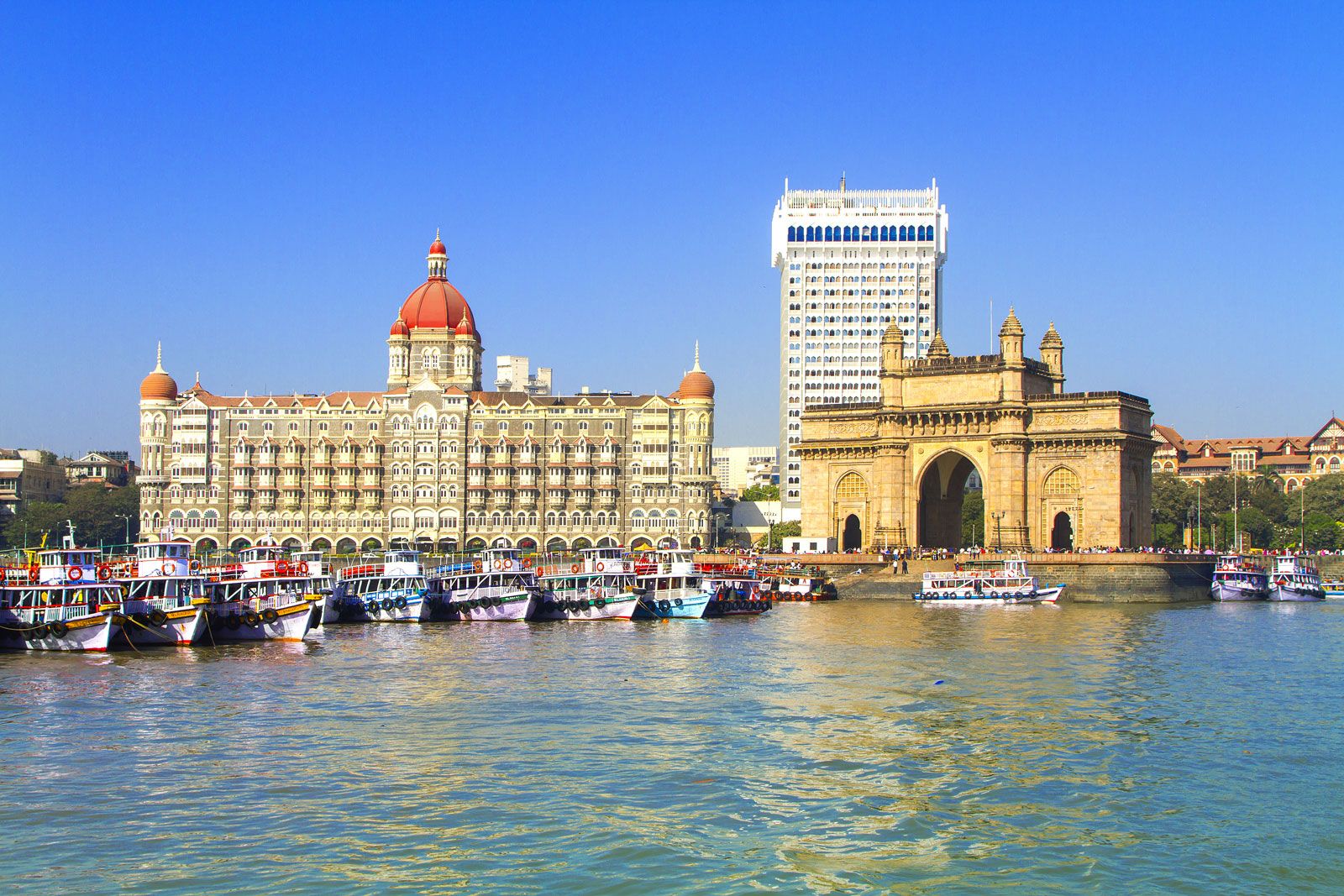
Entrance to Mumbai Harbour, marked by the Gateway of India (right foreground).
Bombay (now Mumbai) was a vital hub for the Indian nationalist movement, serving as a primary center for political activity and organizational development during the late 19th and early 20th centuries.1
Its importance was defined by several key milestones:
- Founding of the Congress Party: The city hosted the first session of the Indian National Congress in 1885, marking the beginning of organized, nationwide political action against British rule.12
- Political Precursors: Before the Congress Party was established, the Bombay Presidency Association was founded in the city in 1885. It provided a platform for the intellectual elite to advocate for political reforms and greater Indian representation in the British Raj, paving the way for the broader independence movement.3
- The Quit India Movement: In 1942, the Congress Party held its session in Bombay where it passed the historic "Quit India" resolution. This movement, which demanded immediate independence, was galvanized by the "Do or Die" speech delivered by Mahatma Gandhi in the city.14
As the capital of the Bombay Presidency, the city functioned as a critical base for both pro-Indian and anti-British sentiment, playing a central role in the eventual achievement of independence in 1947.1