
Why is Chhatrapati Shivaji Terminus a UNESCO World Heritage site?
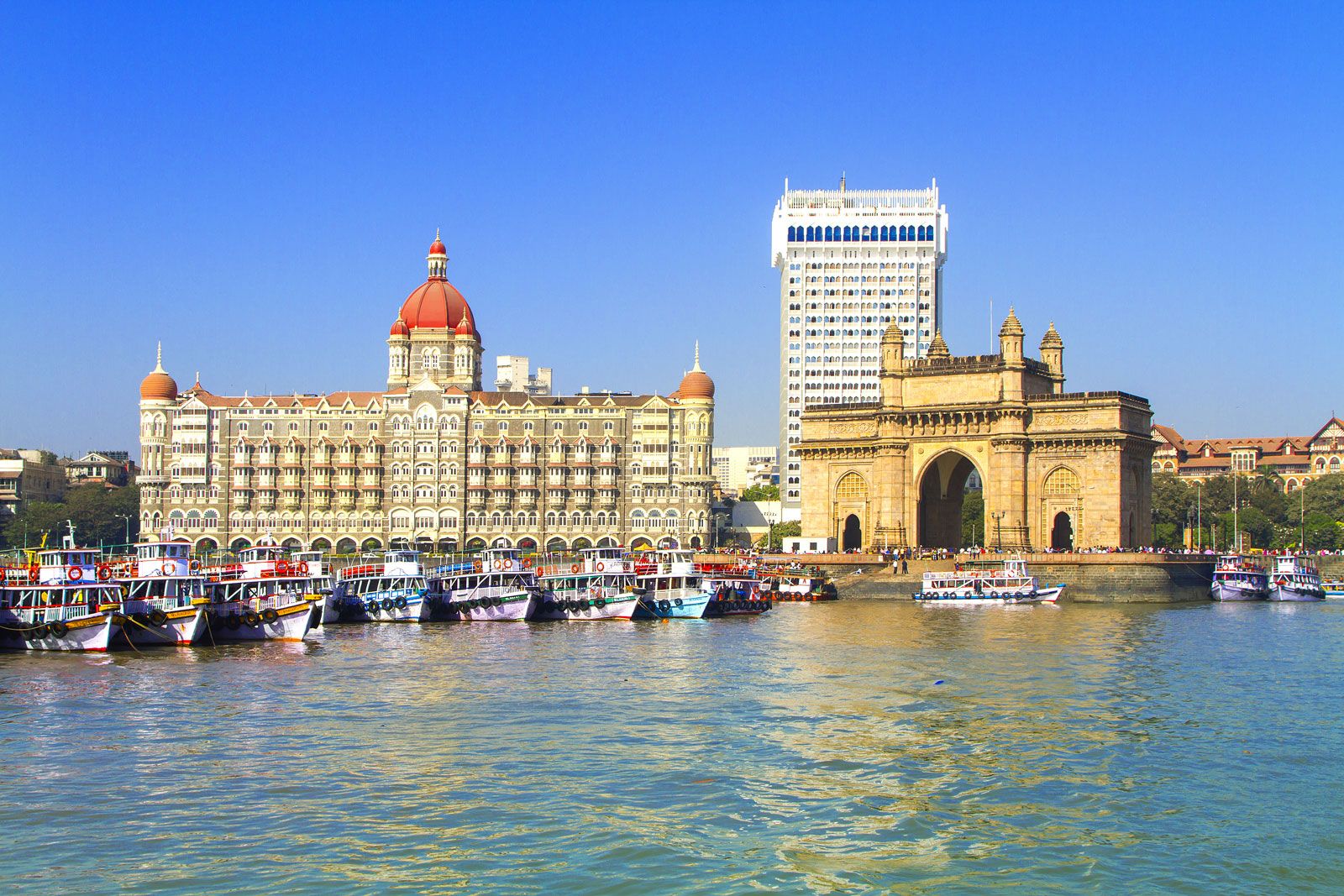
The Chhatrapati Shivaji Terminus in Mumbai was inscribed as a UNESCO World Heritage site in 2004 due to its exceptional architectural significance and historical role as a symbol of 19th-century colonial India.1
The station is a masterpiece of Victorian Gothic Revival architecture, uniquely blended with traditional Indian elements such as domes, turrets, and pointed arches. Designed by Frederick William Stevens, the structure represents a successful fusion of Western and Eastern styles, incorporating features like flying buttresses alongside intricate Indian wood carvings and ornamental ironwork.21
Beyond its aesthetic value, the terminus served as a vital administrative and transportation hub for the British Empire, reflecting India's role as a gateway to the West. Its design, inspired by European railway stations like St. Pancras in London, remains a testament to the city's historical development and its enduring status as a dynamic center of commerce and transit.12