
Why have slash-and-burn farming and bushfires expanded some savanna areas in Central Africa?
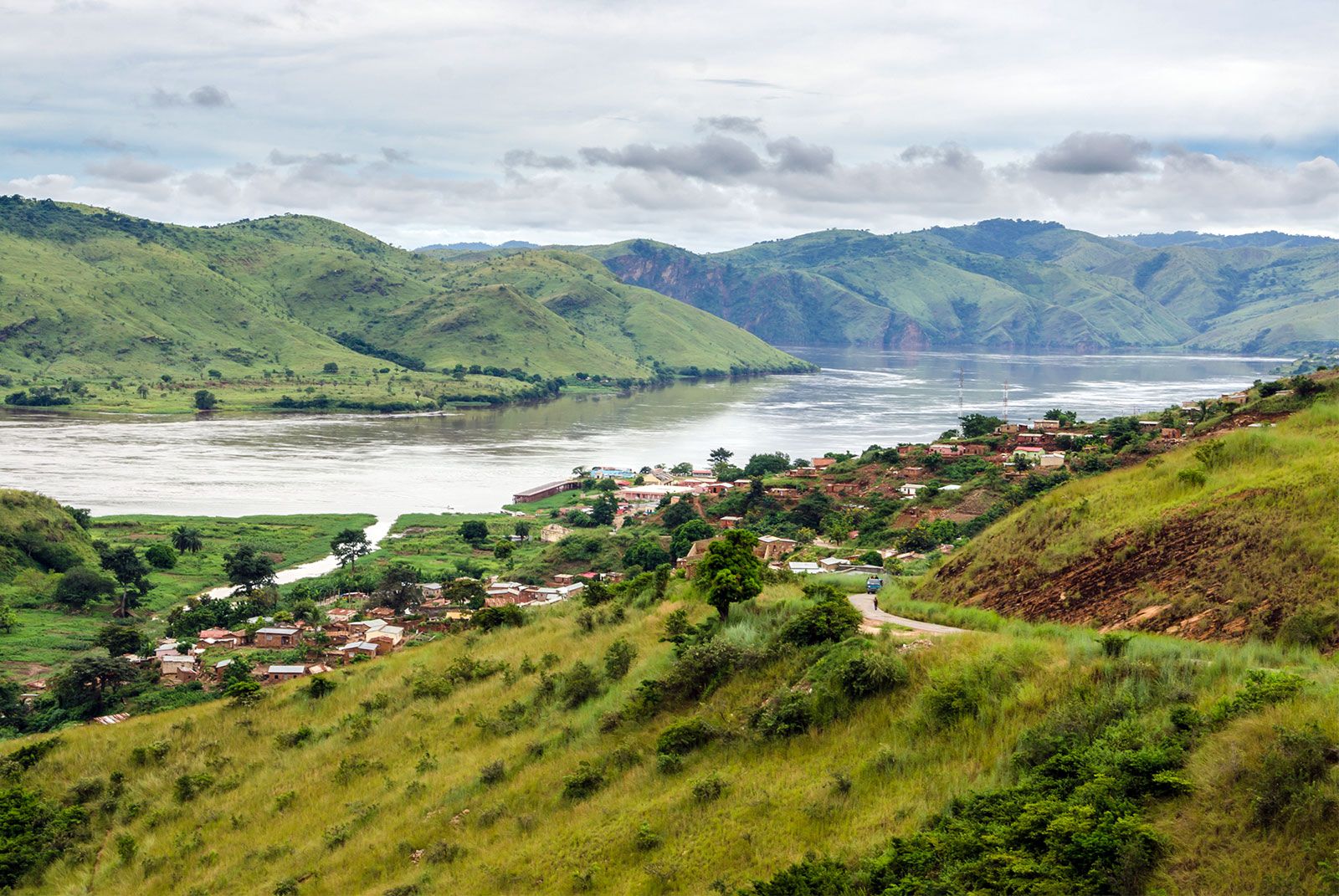
In Central Africa, as in other tropical regions, human activities such as slash-and-burn agriculture and the use of fire have played a significant role in the modification and expansion of savanna areas.12
The expansion of savanna through these methods occurs because fire acts as a powerful agent of forest clearance and degradation. While tropical rainforests were historically difficult to modify, human agents—including cultivators, pastoralists, and hunters—have used fire for centuries to clear land for agriculture, grazing, and the collection of resources.1
When forests are burned, the resulting environment often becomes more open and drier, which favors the growth of fire-tolerant grasses over fire-sensitive forest trees. Because many savanna plants have evolved adaptations to survive or regenerate after burning, frequent fires prevent the natural succession of these areas back into deciduous forest. Consequently, when plots of land are repeatedly cleared and burned, the forest is unable to recover, leading to the maintenance or expansion of savanna vegetation at the expense of forested land.34251