
Why does the Mackenzie River delta contain so many branching channels and lakes?
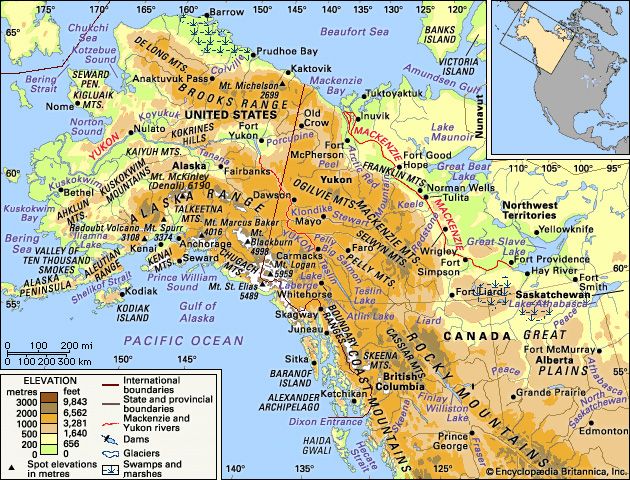
The Mackenzie River delta is characterized by a complex maze of branching, intertwining channels, cutoff lakes, and circular ponds due to the unique geological and environmental conditions of the region.1
A primary factor is the presence of permafrost, which lies just beneath the surface of the delta's islands. The thawing of this ice-rich ground creates thermokarst topography, which includes depressions that fill with water to form thaw lakes and ponds. These features are widespread in areas underlain by perennially frozen silt.12
Additionally, the delta's formation is influenced by the river's sediment transport and deposition processes. During floods, sediment and organic matter are deposited in interfluve areas, while the river's channel patterns evolve as it delivers sediment to the shore. The combination of these active fluvial processes and the melting of ground ice results in the intricate, lake-strewn landscape observed today.314