
Why does flooding often occur during the Mackenzie River ice breakup?
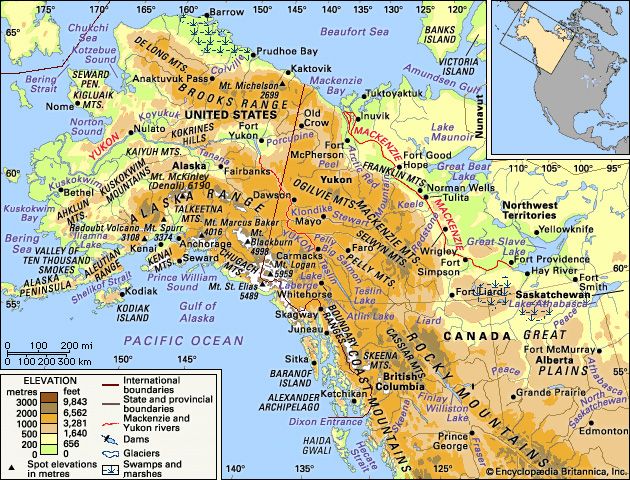
Flooding during the Mackenzie River ice breakup is primarily caused by the formation of ice jams.1
As spring temperatures rise, snowmelt and rain increase the river's flow, which raises water levels and breaks the ice cover loose from the banks. This moving ice is transported downstream until it encounters an obstruction, such as a change in the river's slope from steep to mild or an intact, stable ice cover. When the quantity of ice exceeds the river's transport capacity, it accumulates into a jam.23
Because the Mackenzie flows northward, its southern sections thaw and break up before the colder, more stable ice in the lower, northern reaches. This creates a situation where moving ice from upstream collides with the downstream ice, forming blockages that can build to significant thicknesses. These jams obstruct the drainage of water, causing it to rise and flood the surrounding areas. Such events are common during the breakup period, often resulting in sudden flooding and potential damage to structures.231