
Why does Wrangell–Saint Elias National Park and Preserve contain so many large glaciers?
Wrangell–Saint Elias National Park and Preserve contains a vast assemblage of glaciers primarily due to its maritime environment and high-altitude topography, which facilitate significant snow accumulation.12
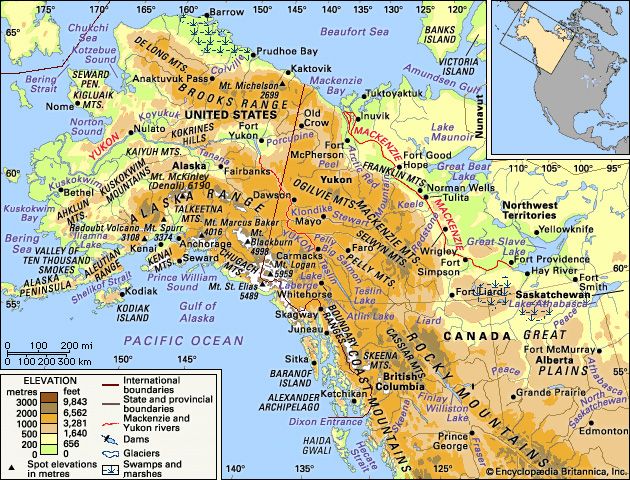
The park is situated in a region of southeastern Alaska that receives prodigious amounts of snowfall. Because glaciers are replenished mainly by snowfall, this high rate of accumulation allows them to thrive even at relatively low altitudes despite high melt rates. The park’s geography, centered on the convergence of the Chugach, Wrangell, and St. Elias mountain ranges, provides the necessary elevation to sustain these massive ice fields.1234
The maritime climate of the area ensures a steady supply of moisture from the nearby Pacific Ocean, which fuels the high accumulation rates. Consequently, the park hosts some of the most extensive ice fields outside of the polar regions, including the Bagley Ice Field—the largest subpolar ice field in North America—and the Malaspina Glacier, the continent's largest piedmont glacier.214