
Britannica
Sources used in this answer
Why did the Belgian Congo gain independence in 1960?
Created from Britannica articles
using AI.
AI can make mistakes, so verify using Britannica articles.
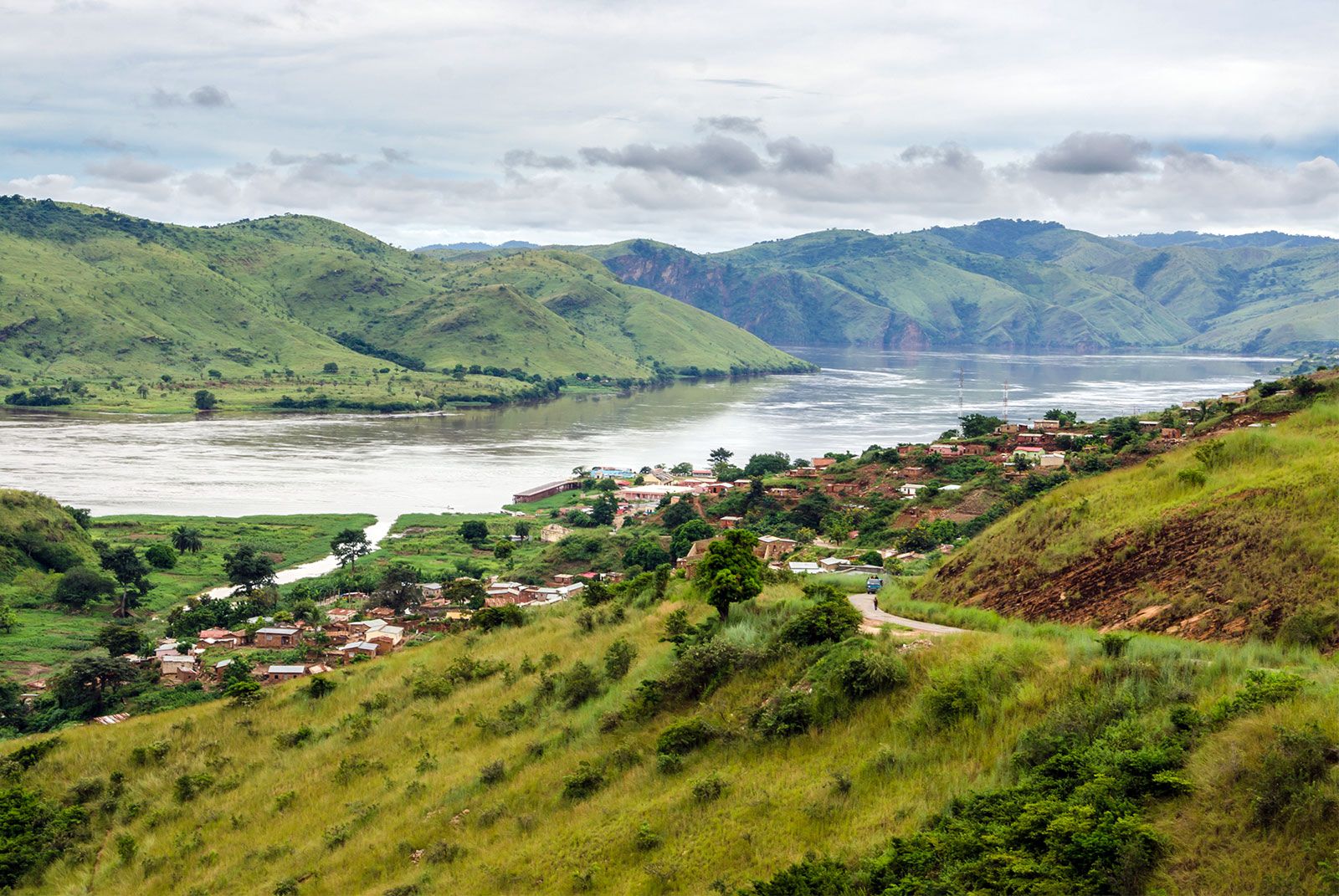
Central Africa
A small village in the hills along the banks of the Congo River, Democratic Republic of Congo, Central Africa.
The Belgian Congo gained independence in 1960 primarily due to the rapid rise of nationalist sentiment and the inability of the colonial administration to maintain control amidst growing social unrest.
For decades, Belgian rule was characterized by paternalism and a lack of political reform, which suppressed the development of local political experience. However, by the late 1950s, several factors converged to change this:
- Rise of Nationalism: The emergence of a Westernized class of Africans, known as évolués, and the influence of constitutional reforms in neighboring territories fostered a climate of protest.12
- Political Awakening: The 1956 ABAKO manifesto, led by Joseph Kasavubu, rejected long-term transition plans in favor of immediate self-government.12
- Militancy: The Congolese National Movement, under the leadership of Patrice Lumumba, became a powerful, militant force for national unity.12
- Civil Unrest: Anti-European riots in Kinshasa (then Léopoldville) in January 1959 forced the Belgian government to accelerate the decolonization process, culminating in a Round Table Conference in 1960 to transfer power.12