
Britannica
Sources used in this answer
Why did muskrat trapping become important in the Mackenzie River delta?
Created from Britannica articles
using AI.
AI can make mistakes, so verify using Britannica articles.
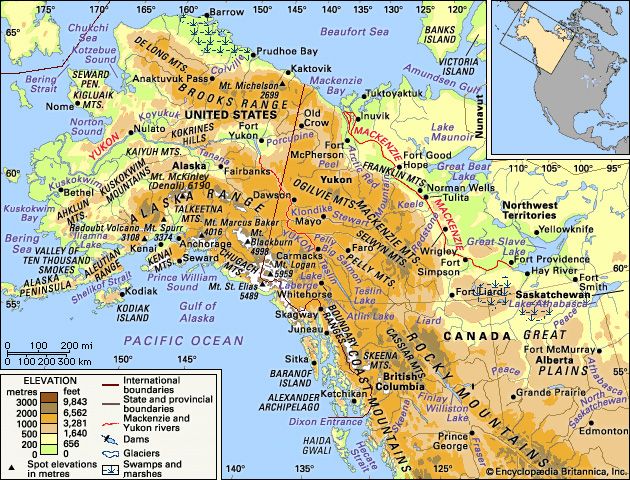
The Mackenzie River delta, which covers approximately 4,700 square miles, is characterized by a complex network of branching channels, circular ponds, and numerous cutoff lakes. These lakes provide an excellent habitat for muskrats, which made the region a prime location for trapping.1
Consequently, the trapping of these animals became the primary source of income for the Indian and Inuit inhabitants of the delta between 1920 and 1960. While fur-bearing animals were a major economic attraction throughout the 19th century, trapping remains a source of income for some of the aboriginal population today, with muskrat, beaver, marten, mink, and lynx serving as the most important furs taken in the Mackenzie area.123