
Why did islanders seek French protection during the 1840s?
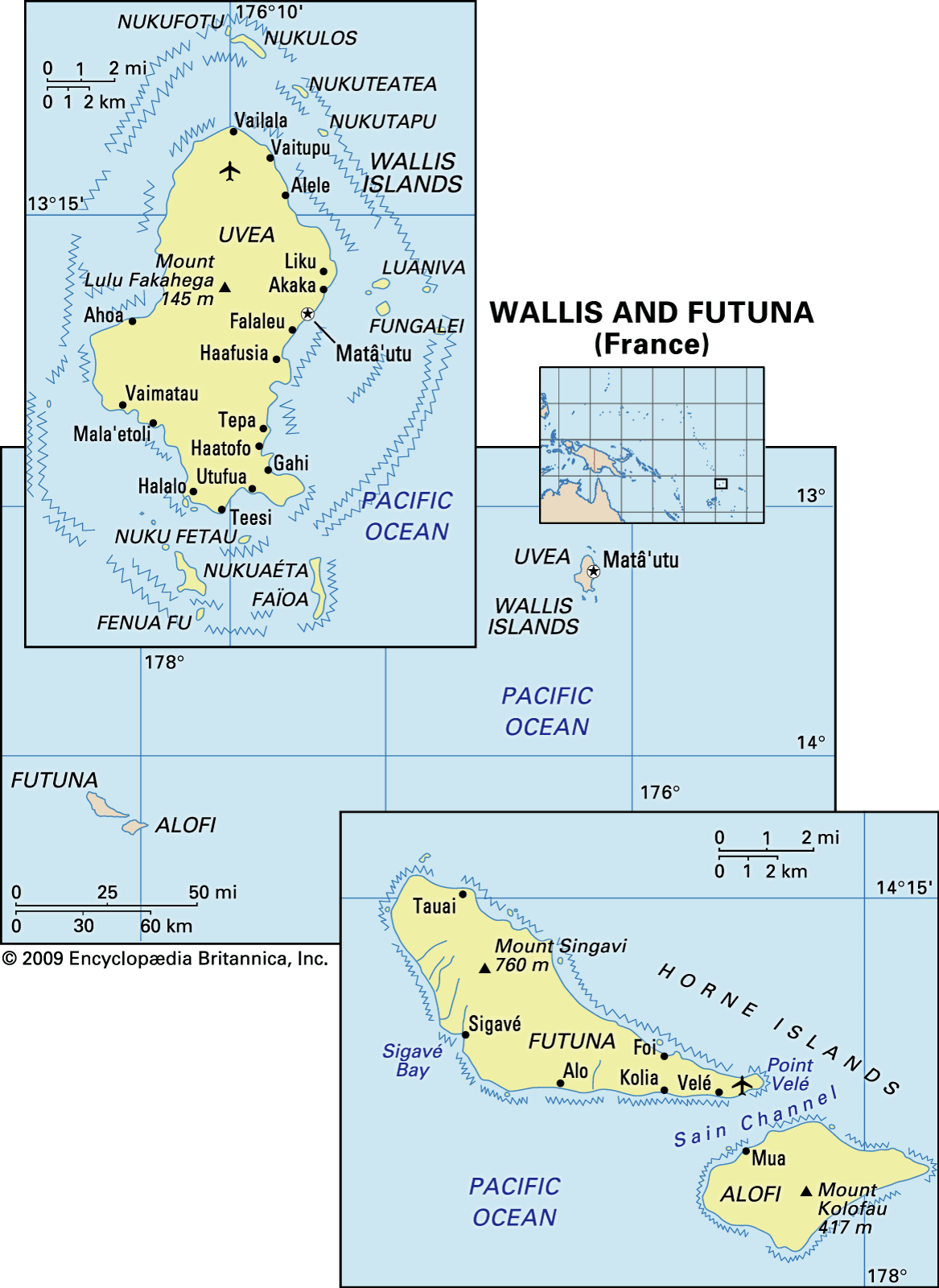
During the 1840s, islanders in the Pacific, including those in Wallis and Futuna, faced significant social and political instability driven by the arrival of European traders and beachcombers, which often led to lawlessness and disorder.1
In many Polynesian societies, local chiefs attempted to consolidate power by adopting Christianity and missionary-designed legal codes to address this instability. However, these "missionary kingdoms" faced internal resistance from those who rejected the new religious order, as well as external pressure from European traders who opposed the political authority of the chiefs.1
To navigate these conflicts, dissidents and local leaders often sought the protection of foreign national governments. In the case of Wallis and Futuna, French Marist missionaries had arrived in the 1830s and achieved significant influence. By the 1840s, the islanders began petitioning for French protection to secure stability, leading to the eventual establishment of a French protectorate over the islands.12