
Britannica
Sources used in this answer
Why did independence bring limited changes for many people in Central Africa?
Created from Britannica articles
using AI.
AI can make mistakes, so verify using Britannica articles.
Central Africa
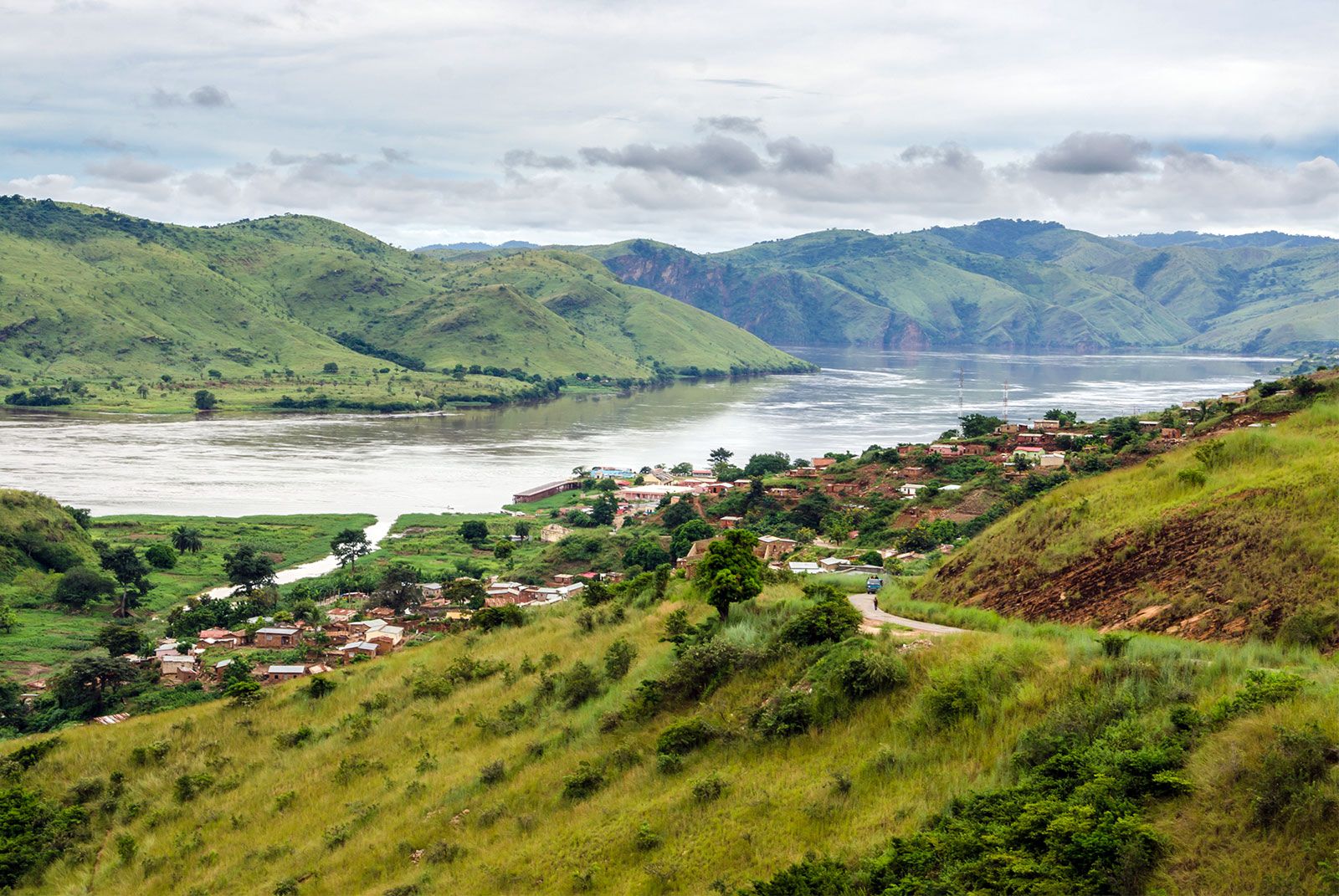
A small village in the hills along the banks of the Congo River, Democratic Republic of Congo, Central Africa.
Independence in Central Africa, achieved largely in 1960, resulted in what is often described as "flag independence"—a constitutional shift that failed to produce a genuine transformation for the majority of the population. While new parliaments were elected and national symbols were adopted, the underlying structures of society and governance remained largely unchanged, failing to meet the high aspirations of former colonial subjects.12
Several factors contributed to this limited progress:
- Economic Dependency: Post-independence economies remained dominated by international capital, particularly from France. Nations struggled with debt, financial mismanagement, and a reliance on the export of raw materials like diamonds and timber, which often benefited political elites rather than the public.34
- Political Instability and Corruption: Many new governments faced severe internal challenges. In the Central African Republic, for example, leaders like David Dacko and Jean-Bédel Bokassa consolidated power, suppressed opposition, and engaged in financial practices that drained national budgets. Corruption and the inability to pay public sector salaries led to persistent political unrest.43
- Institutional Weakness: As postcolonial states struggled to provide basic services, the responsibility for health, education, and social welfare often fell to churches and missions, as it had during the colonial era.5