
Why did Western Australia hold a secession referendum in 1933?
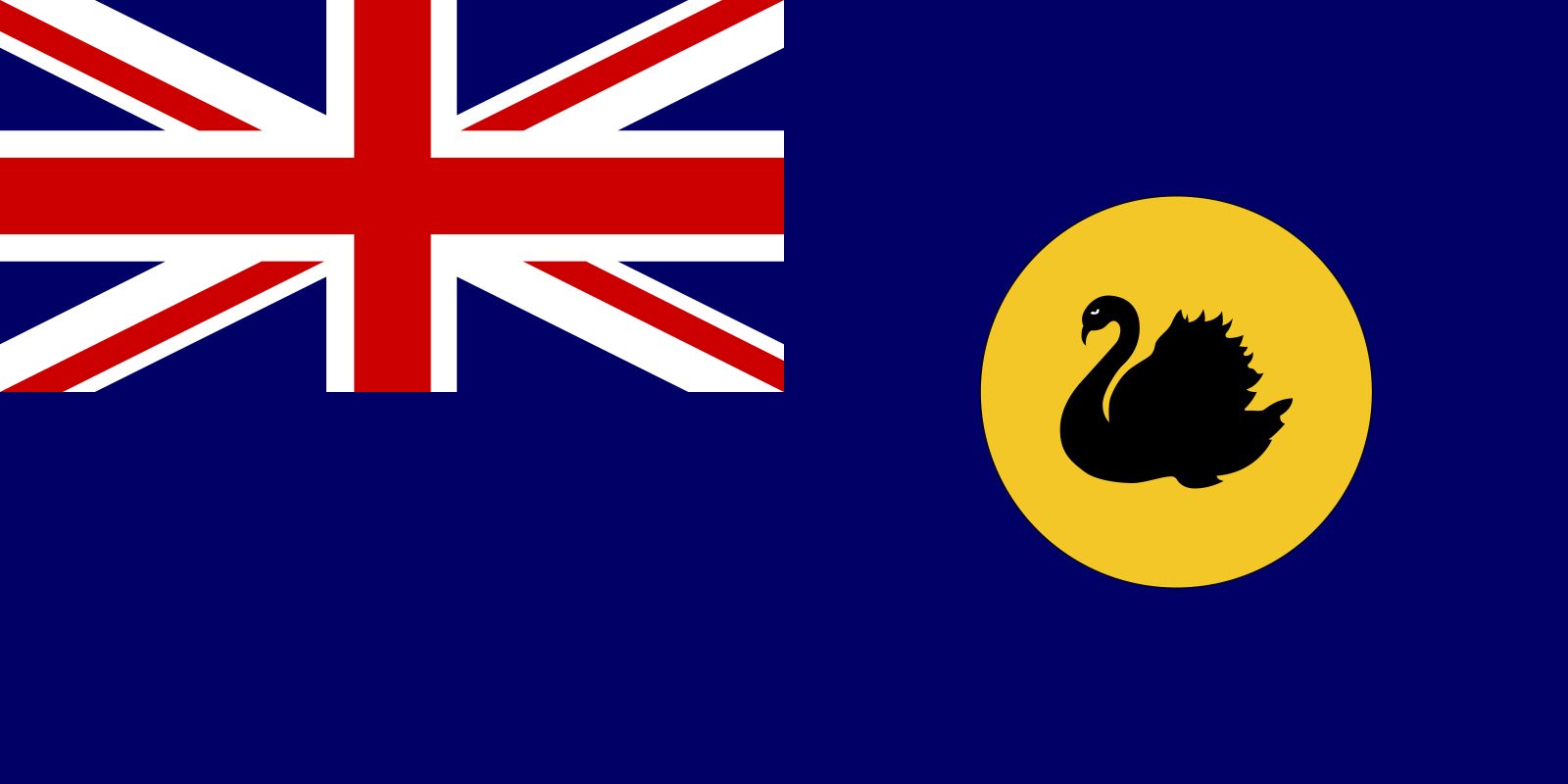
Western Australia held a secession referendum in 1933 primarily due to the devastating economic impact of the Great Depression on the state.
Western Australia was heavily dependent on the export of wheat and wool, and the global slump in export prices caused severe hardship. Many farmers were forced to abandon their land, and urban unemployment reached 30 percent by mid-1932, leading to significant social unrest and demonstrations in Perth.
In this climate, the populist Dominion League gained support by advocating for the state to secede from the Australian Commonwealth. The government of Premier James Mitchell, which held office from 1930 to 1933, tended to support this movement. Consequently, a referendum was held in April 1933, resulting in a two-to-one margin in favor of secession. However, the movement ultimately failed; the incoming Labor government under Phillip Collier was less enthusiastic about the prospect, and the British government eventually declared in 1935 that it lacked the legal power to grant the state's request for secession.1