
- India - The British , 1600–1740
- Western colonialism - English ascendancy in India
- India - Political and economic decentralization during the Mughal decline
- Mughal dynasty - Economy and trade
- India - The empire in the 17th century
- India - The emperor, the nobility, and the provinces
- Mumbai - History of Mumbai
Why did Bombay begin to grow as Mughal power weakened?
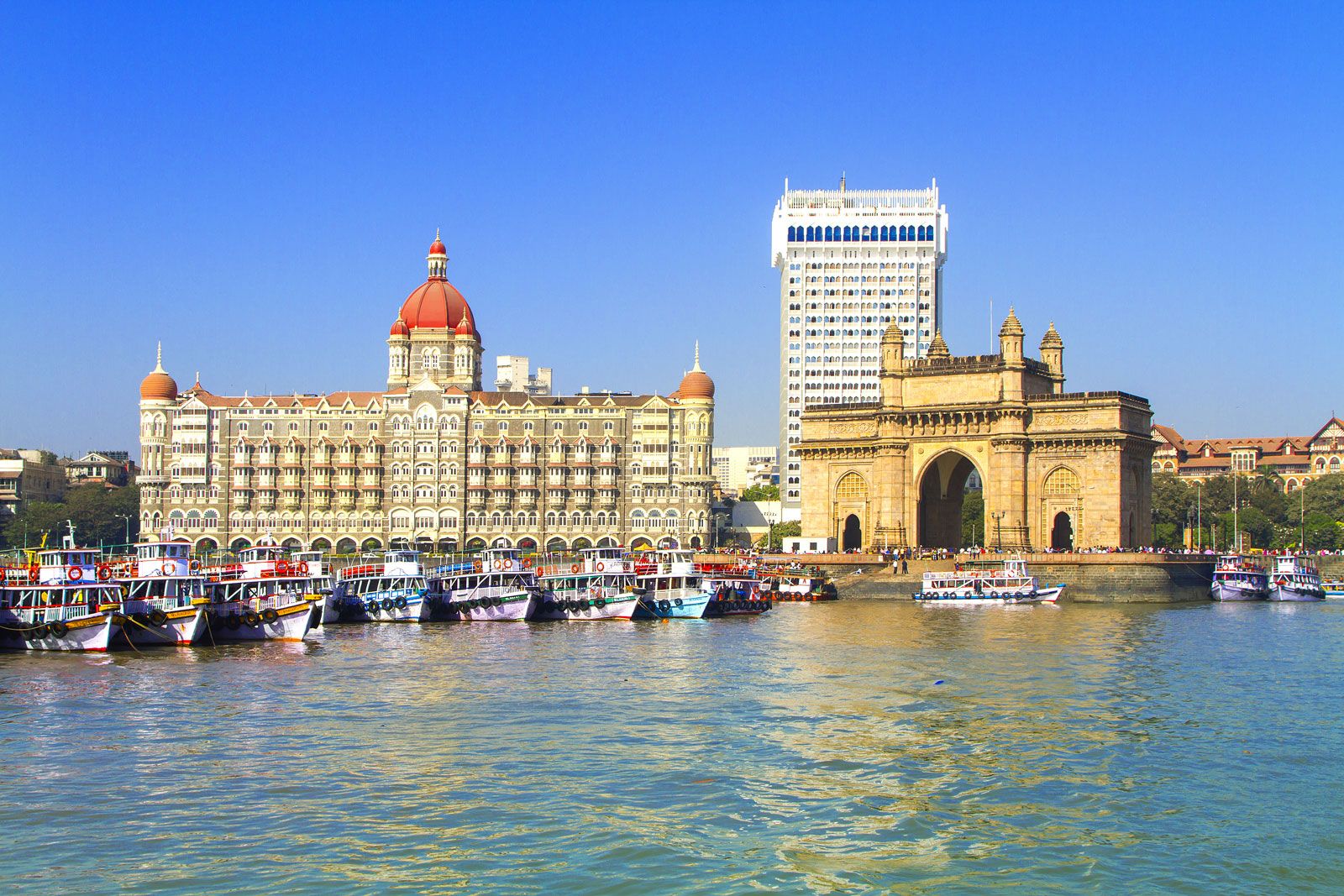
As the Mughal Empire declined, the resulting political instability and regional conflicts created a climate that spurred the growth of Mumbai (then known as Bombay).
Specifically, the decay of Mughal authority in Delhi, ongoing rivalries between the Mughals and the Marathas, and general instability in the region of Gujarat drove many merchants and artisans to seek refuge on the islands of Bombay. This influx of people provided the population base necessary for the city to expand.1
While Bombay had previously been a minor asset for the East India Company due to its limited hinterland access, the eventual collapse of Maratha power allowed for the establishment of secure trade and communication links to the mainland. These developments, combined with the extension of existing connections to Europe, enabled the city to prosper and transition into a major center of trade.1