
Which geologic processes formed the faults and low passes in the Alaska Range?
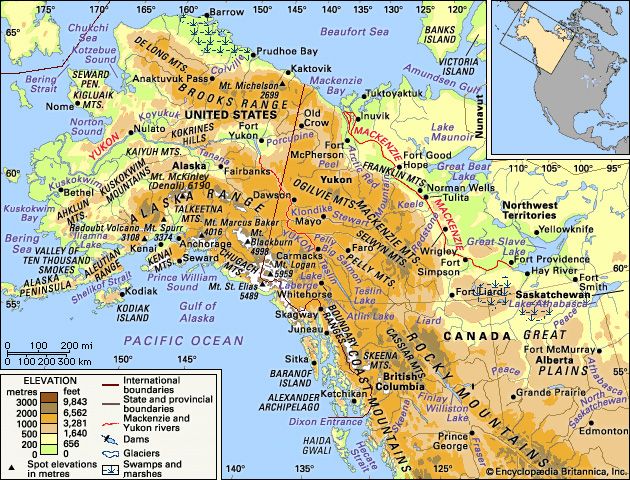
The faults and low passes in the Alaska Range were formed through a combination of complex tectonic and erosional processes.
Geologic Faults
The structural development of the Alaska Range is heavily influenced by the ongoing convergence of lithospheric plates. Crustal shortening in southern Alaska occurs through both thrust faulting and strike-slip faulting on nearly vertical, northwesterly trending planes. A prominent example is the Denali Fault, a major strike-slip fault adjacent to Denali. These faults are thought to have formed near the close of the Mesozoic Era.123
Low Passes and Valleys
The range is characterized by rugged, glaciated terrain where long valleys and low passes follow the course of these geologic faults. These features were shaped by the interplay of tectonic deformation and the erosional forces of rivers and glaciers. While tectonic activity provided the structural framework, the subsequent erosion by water and ice carved the landscape into the valleys and passes that provide routes of travel across the mountains today.34