
What role did Leipzig’s peaceful demonstrations in 1989 play in German reunification?
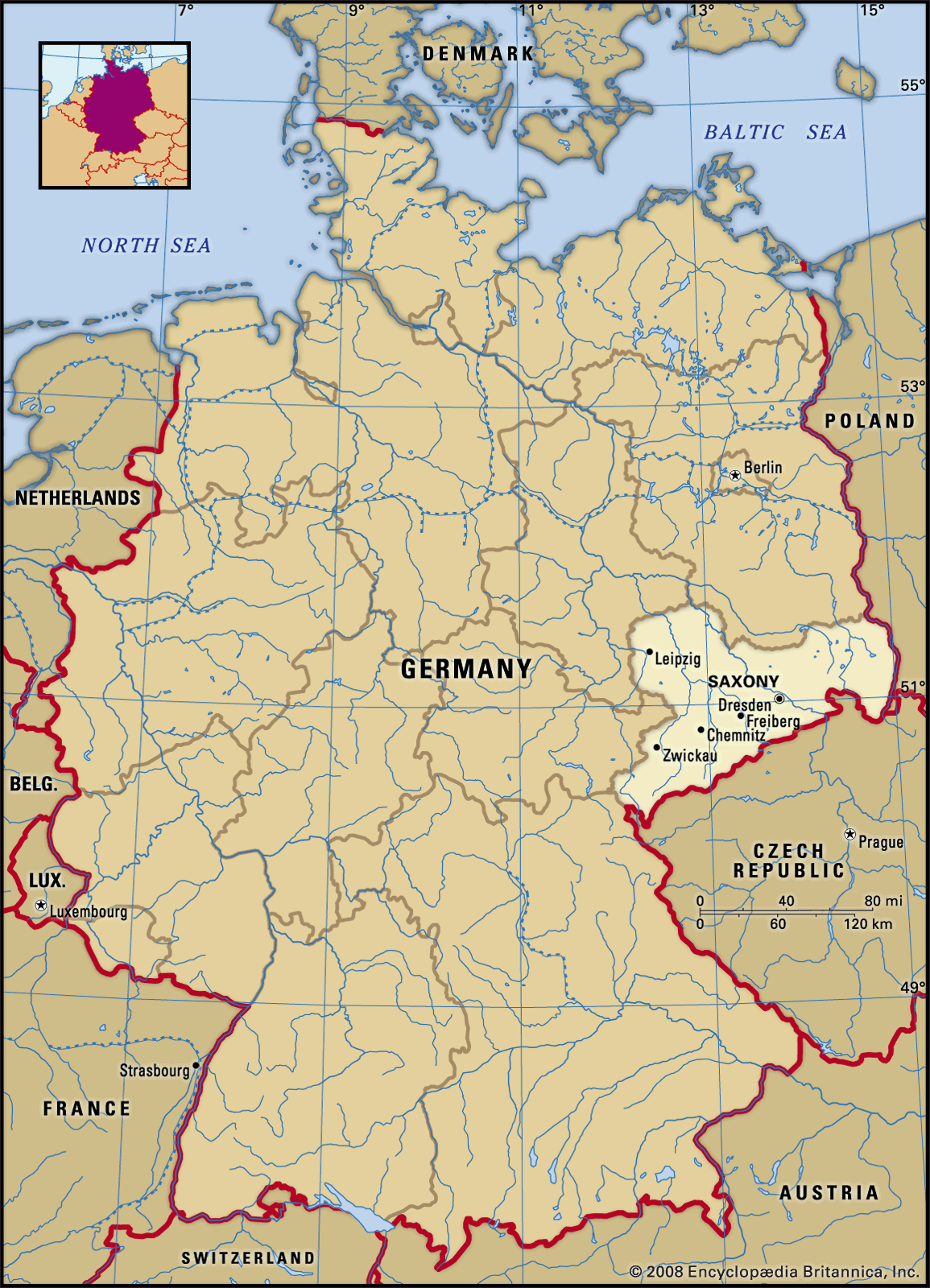
In 1989, mass peaceful demonstrations in Leipzig and other cities played a pivotal role in the collapse of the German Democratic Republic (GDR) by directly defying the authorities and demanding political reform. These protests signaled a loss of control for the ruling Socialist Unity Party, which struggled to maintain its position amidst growing public dissent.1
The momentum generated by these demonstrations, combined with the broader exodus of East Germans to the West, created immense pressure on the government. This instability ultimately contributed to the events of November 9, 1989, when the Berlin Wall was effectively opened. The subsequent collapse of the communist regime paved the way for free, multiparty elections in March 1990, which led to the formation of a government committed to German reunification. By demonstrating the people's desire for a voice in government, the Leipzig protests were a fundamental catalyst in the transition toward a unified, democratic Germany.1