
What happened during the Mumbai terrorist attacks of November 2008?
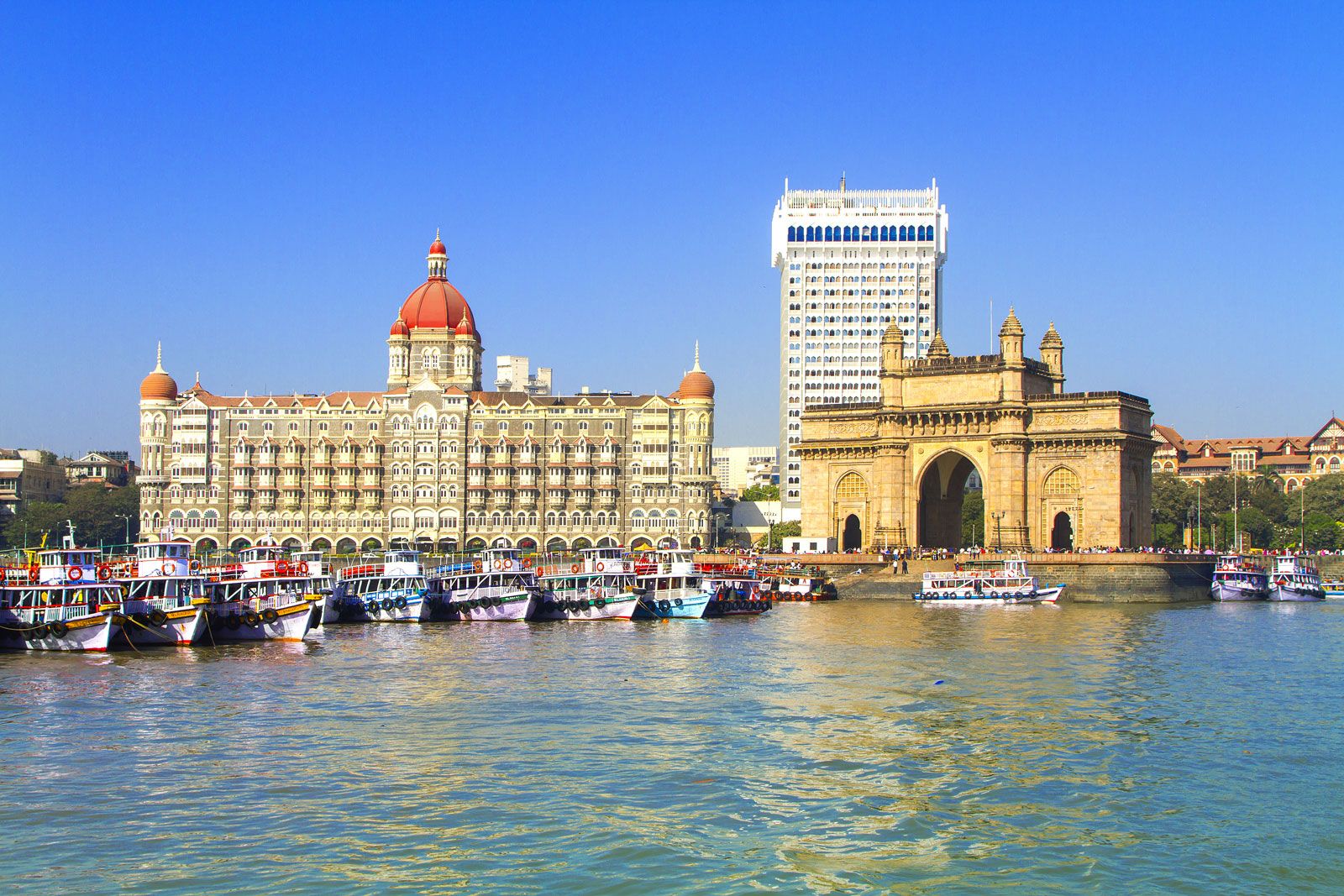
Between November 26 and 29, 2008, 10 militants associated with the Pakistan-based group Lashkar-e-Taiba carried out a series of coordinated terrorist attacks in Mumbai, India. Armed with assault rifles, grenades, and improvised explosive devices, the attackers targeted high-profile locations, including the Chhatrapati Shivaji Terminus railway station, the Leopold Café, two hospitals, a Jewish outreach center at Nariman House, and the luxury hotels Oberoi Trident and Taj Mahal Palace & Tower.123
The siege resulted in at least 166 deaths and over 300 injuries. Nine of the 10 militants were killed by Indian security forces, while the sole survivor, Ajmal Amir Kasab, was captured, tried, and executed in 2012. The attacks exposed significant security and intelligence failures, prompting the Indian government to establish the National Investigation Agency and strengthen counterterrorism legislation. These acts of violence were a profound violation of human life and security, drawing widespread international condemnation.2134