
How does jhum agriculture work in Mizoram?
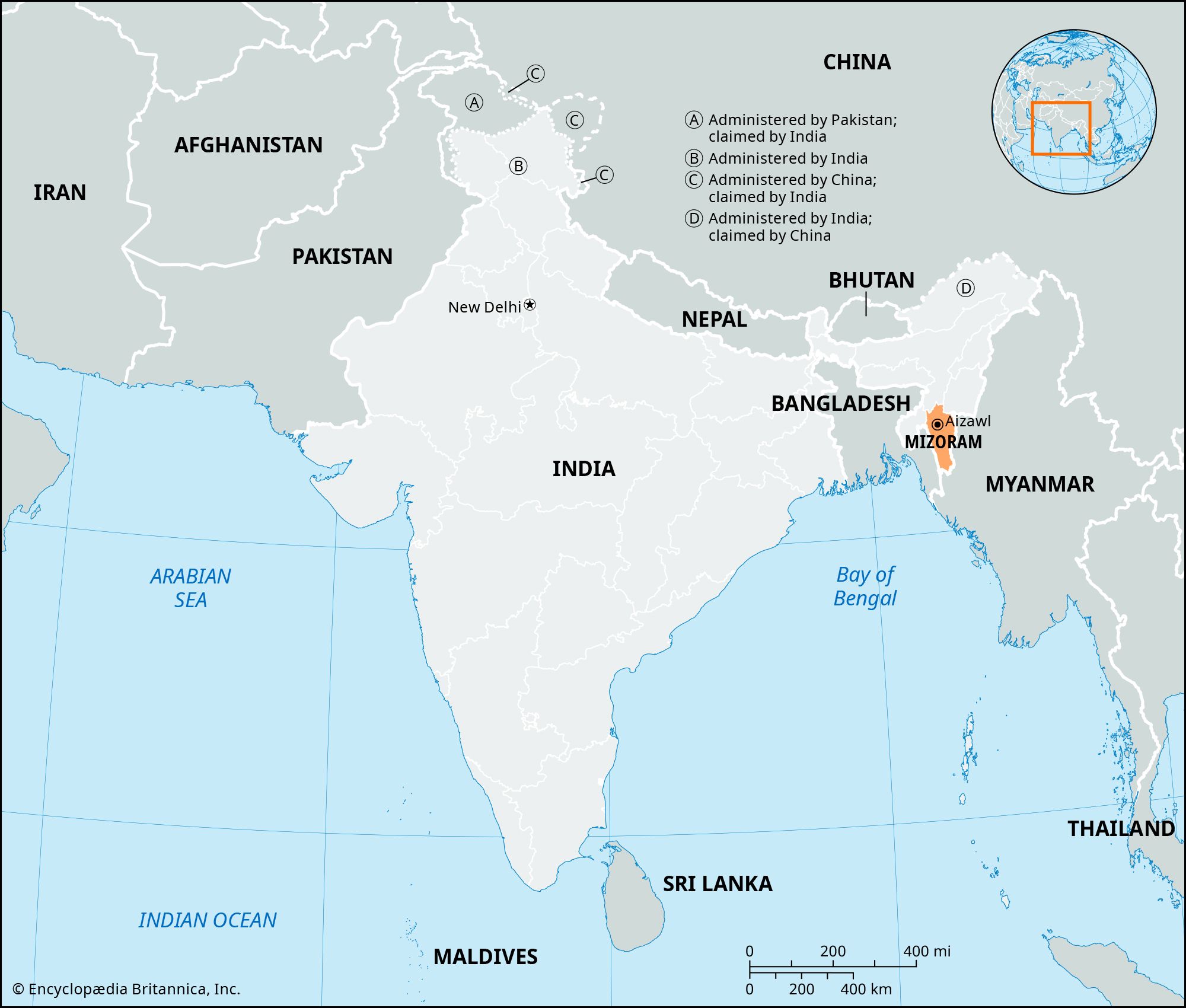
In Mizoram, jhum is a traditional form of shifting agriculture that involves clearing tracts of land through a slash-and-burn process.1
The practice functions through the following cycle:
* Clearing: Farmers clear a plot of land by cutting down standing vegetation and burning it; the resulting ashes serve to enrich the soil.21
* Cultivation: The land is farmed for a limited period, typically using tools like hoes or digging sticks rather than plows. Common crops include rice, corn (maize), cotton, and vegetables.21
* Fallowing: Once the soil shows signs of exhaustion or the field becomes overrun with weeds, the plot is abandoned for a number of years. This fallow period allows the natural vegetation to regenerate and the soil to recover its nutrients.21
Historically, this cycle lasted about eight years, but population growth in the 20th century forced a reduction in the regeneration time, which has led to a decrease in overall farm productivity. The agricultural cycle is deeply embedded in Mizo culture, with festivals such as chapchar kut marking the start of the season after the forest is felled.1