
Britannica
Sources used in this answer
How does Wallis and Futuna earn revenue despite having few natural resources?
Created from Britannica articles
using AI.
AI can make mistakes, so verify using Britannica articles.
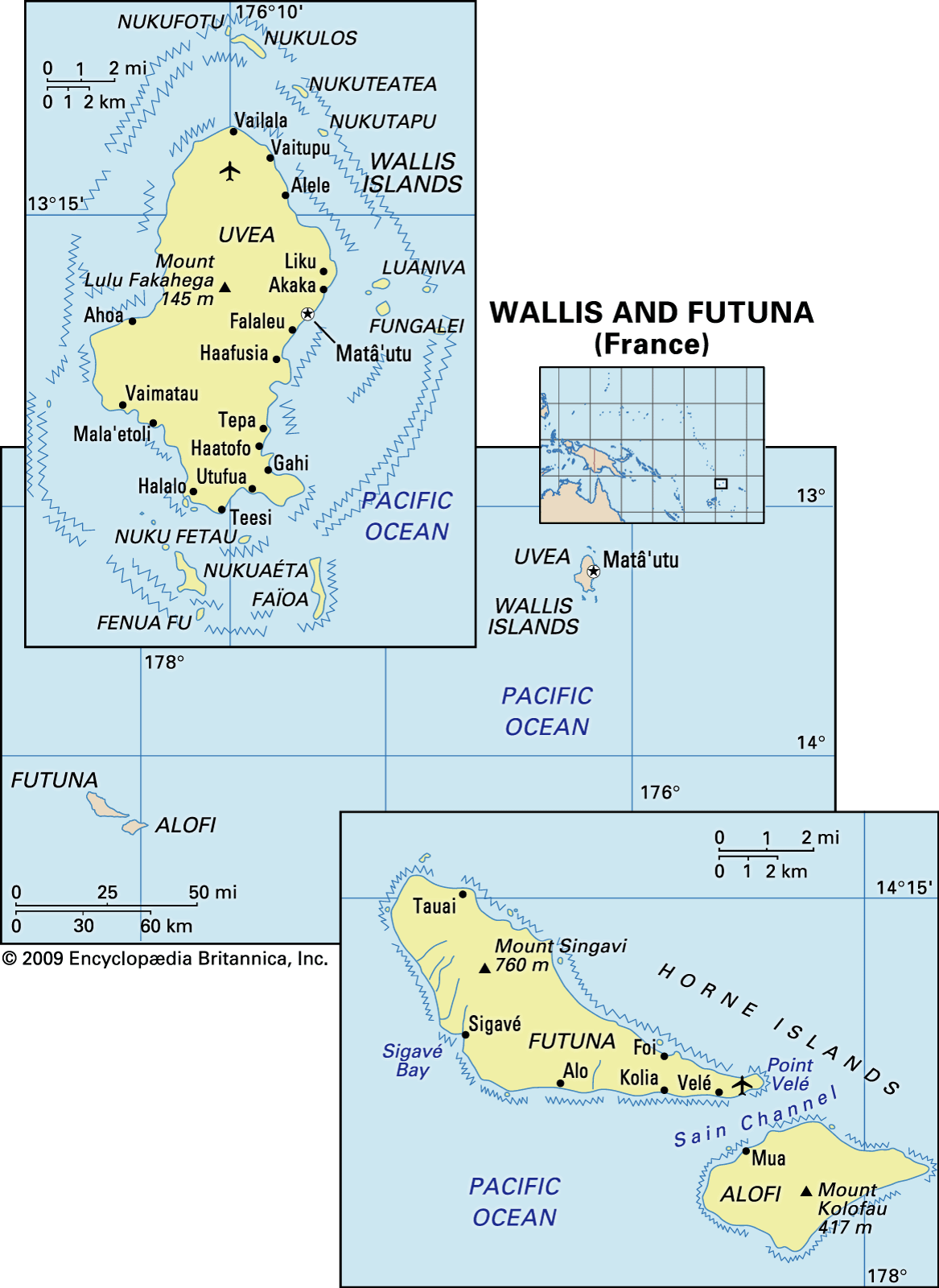
Wallis and Futuna is a resource-poor territory where the local economy relies heavily on external support and specific administrative revenue streams rather than large-scale exports. Because traditional customs often prioritize bartering over selling produce, the majority of the population engages in subsistence farming and small-scale fishing to meet immediate family needs.1
To generate necessary revenue, the territory utilizes the following sources:
- French Government Subsidies: As an overseas collectivity of France, the territory receives significant financial support from the French government.1
- Licensing Fees: The government earns income by licensing fishing rights in its waters to companies from Japan and South Korea.1
- Import Taxes: Revenue is generated through taxes levied on imported goods.1
- Remittances: A vital source of income comes from money sent home by expatriate workers living in New Caledonia.1
Additionally, the government serves as the largest single employer on the islands, providing a primary source of stability for the local workforce.1