
How does Gothic Revival architecture reflect Mumbai’s British colonial past?
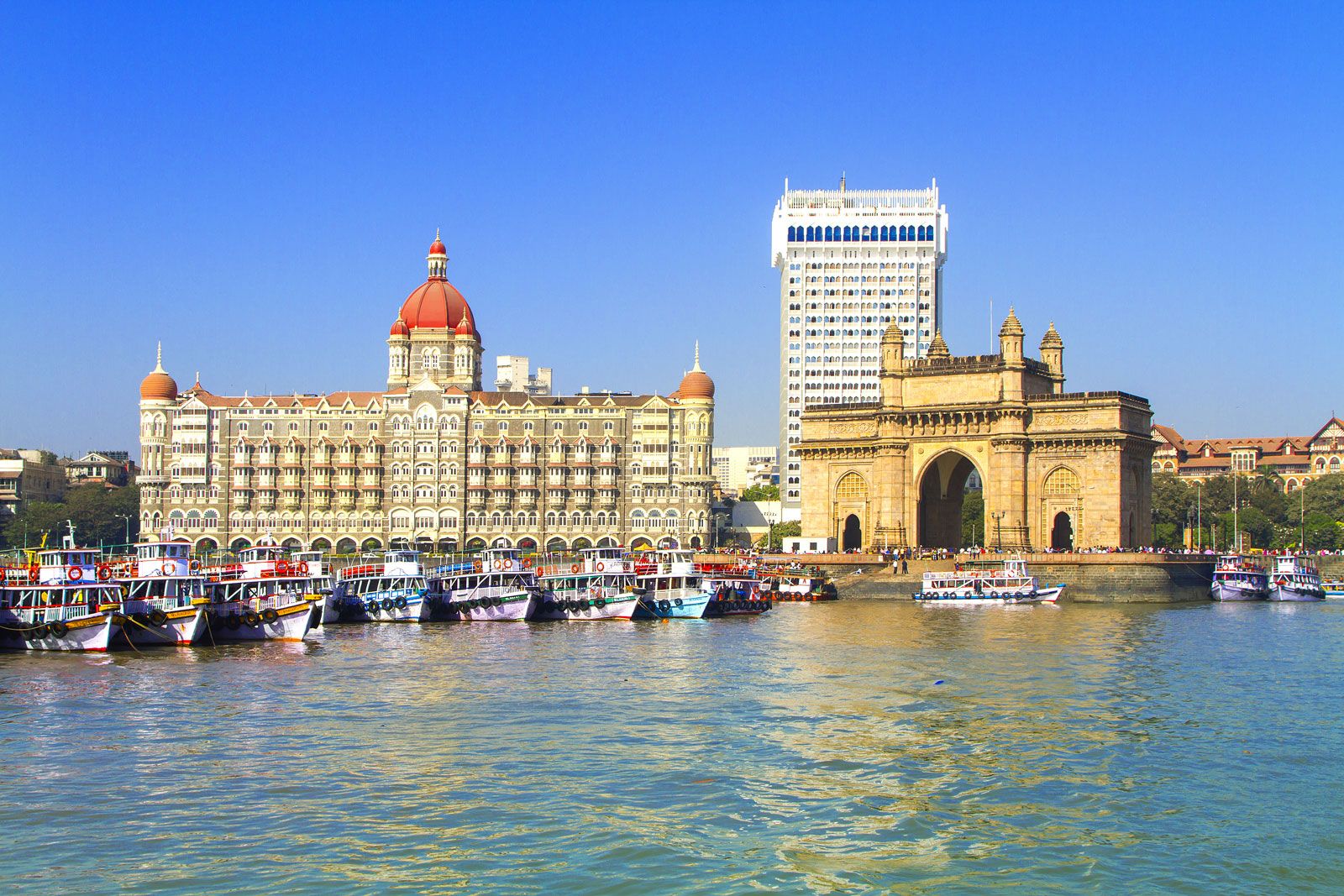
Mumbai’s Gothic Revival architecture serves as a prominent physical legacy of British colonial rule, reflecting the aesthetic and administrative influence of the 18th and 19th centuries. During this period, the British sought to imprint their cultural identity on the urban landscape by introducing European architectural styles, which were often blended with local traditions.12
The most iconic example is the Chhatrapati Shivaji Terminus, formerly known as Victoria Terminus. Completed in 1888 and designed by British engineer Frederick William Stevens, the structure was modeled after London’s St. Pancras railway station. It exemplifies a hybrid style that harmonizes Venetian Gothic Revival elements—such as flying buttresses—with traditional Indian craftsmanship, including intricate wood carvings.13
These buildings were not merely decorative; they functioned as administrative and commercial hubs that anchored British power in the city. Today, these structures remain intermingled with modern developments, standing as enduring symbols of the complex architectural and political history shared between India and Britain.31