
Britannica
Sources used in this answer
How does Denali National Park and Preserve protect alpine tundra and boreal forest?
Created from Britannica articles
using AI.
AI can make mistakes, so verify using Britannica articles.
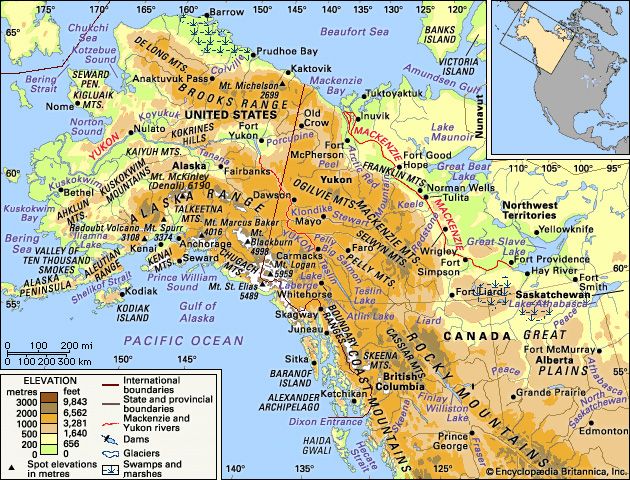
Denali National Park and Preserve protects its alpine tundra and boreal forest ecosystems primarily by maintaining an unspoiled natural environment through strict land management and access regulations.1
Key protective measures include:
- Wilderness Designation: A significant portion of the park, formerly Mount McKinley National Park, is officially designated as a wilderness area, which limits human development and preserves the integrity of the landscape.1
- Restricted Access: To minimize human impact, private motor vehicles are largely prohibited within the park and preserve. Access is managed primarily through shuttle buses during the summer season, and there are very few marked trails, which restricts foot traffic and prevents habitat fragmentation.1
- Conservation Status: The area is recognized as a UNESCO biosphere reserve, an international designation that underscores the importance of protecting its subarctic climate zone and diverse biological communities.1
By limiting infrastructure and human encroachment, the park helps safeguard these sensitive ecosystems against the pressures of development and pollution that threaten tundra and forest sustainability elsewhere.12