
Britannica
Sources used in this answer
How do subsistence farming and barter shape the economy of Wallis and Futuna?
Created from Britannica articles
using AI.
AI can make mistakes, so verify using Britannica articles.
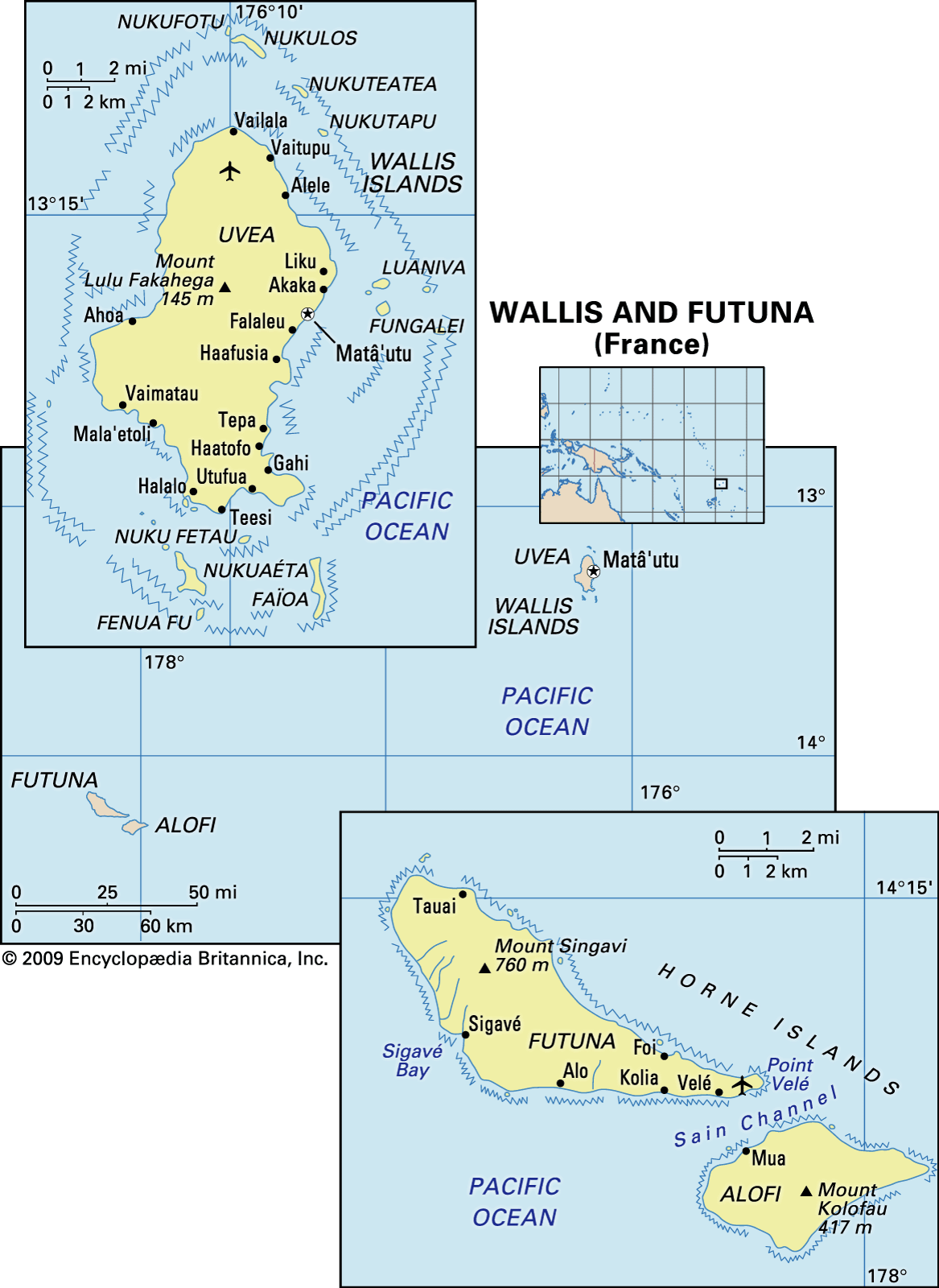
Subsistence farming and traditional bartering are central to the way of life for approximately four-fifths of the population in Wallis and Futuna. These practices prioritize local needs over commercial exchange, reflecting a cultural framework where selling produce is often viewed as contrary to traditional custom.1
- Subsistence Farming: Most residents engage in small-scale agriculture, cultivating crops such as yams, taros, and bananas, alongside raising livestock like pigs. Fishing is similarly focused on meeting the immediate requirements of families, kin, and neighbors rather than commercial production, with most activity occurring within the fringing reef.1
- Barter Economy: Because the sale of land-based produce is traditionally discouraged, the local economy relies heavily on the exchange of goods through barter. This system ensures that resources are distributed within the community to satisfy daily needs.1
This reliance on subsistence farming and non-monetary exchange highlights the territory's limited integration into global markets, as the islands remain resource-poor with minimal export revenue.1