
How do permafrost and solifluction make road and building construction difficult in interior Alaska?
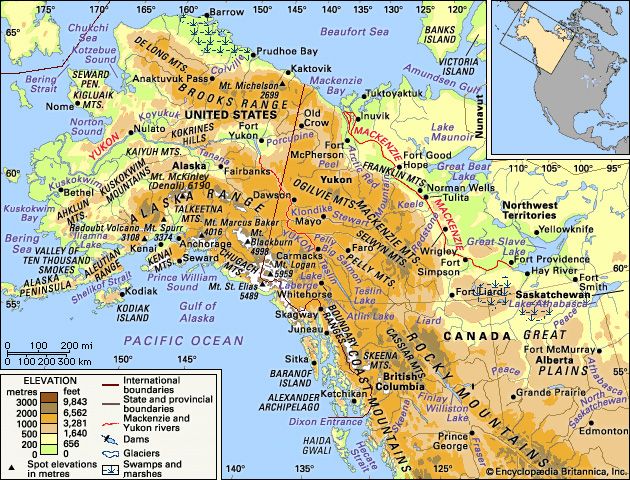
In interior Alaska, the presence of permafrost and the process of solifluction create significant obstacles for infrastructure development.1
Permafrost complicates construction because the ground's thermal equilibrium is extremely delicate. When the surface is disturbed by construction, the permafrost can thaw, leading to surface subsidence and a loss of bearing strength. Furthermore, frost action—the freezing and thawing of ground moisture—causes upward displacement known as frost heaving in winter and further loss of stability in summer. These factors necessitate costly engineering solutions, such as using thick gravel pads or elevating structures on piles to prevent heat transfer to the frozen ground.2345
Solifluction, the downslope movement of waterlogged soil over an impermeable permafrost layer, further inhibits development. Because this saturated material moves in a semifluid state, it creates unstable terrain that is unsuitable for supporting roads or buildings. Consequently, these environmental conditions limit settlement and infrastructure in many interior regions, forcing reliance on specialized construction techniques to maintain structural integrity.613