
Britannica
Sources used in this answer
How do national borders divide ethnic groups in Central Africa?
Created from Britannica articles
using AI.
AI can make mistakes, so verify using Britannica articles.
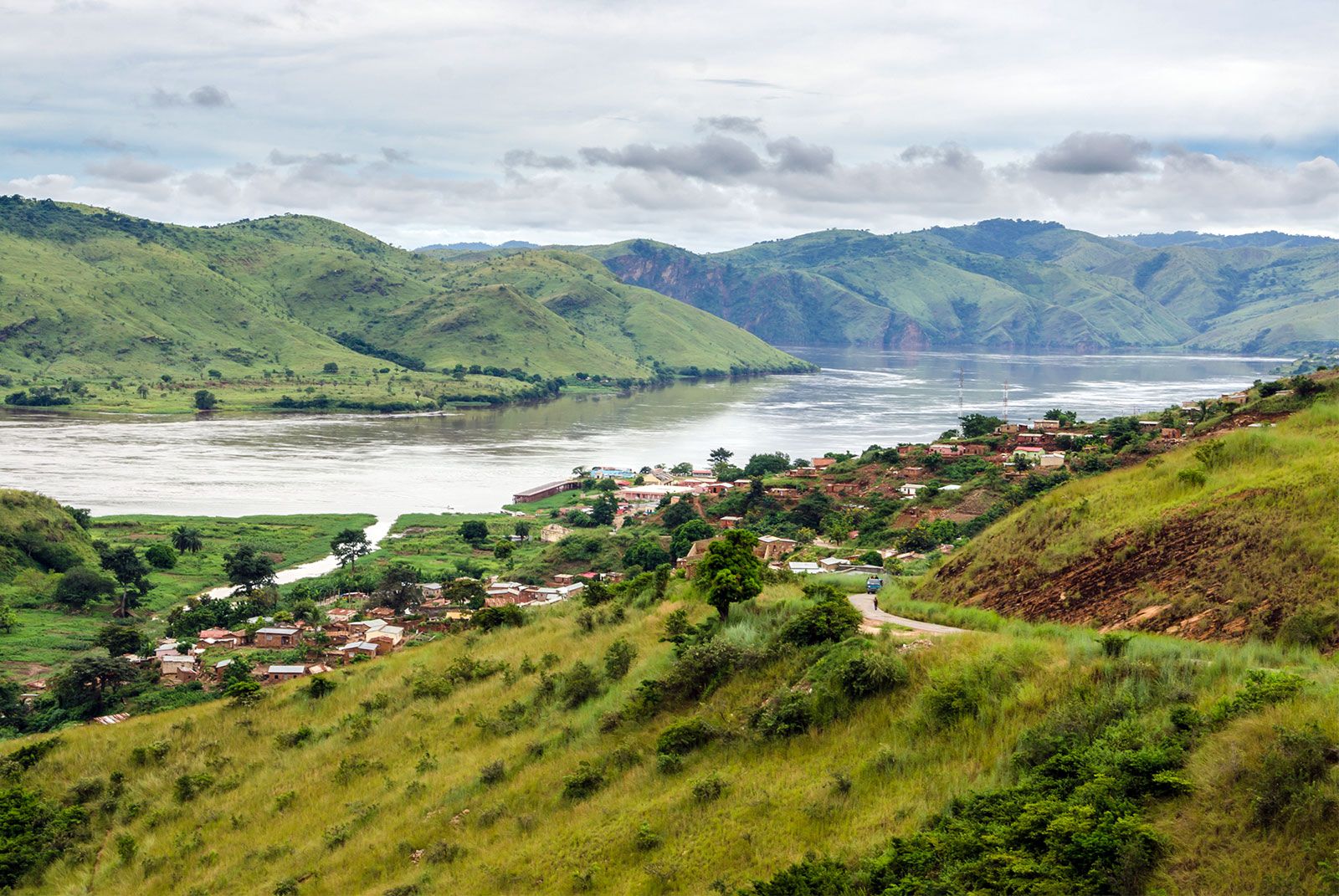
Central Africa
A small village in the hills along the banks of the Congo River, Democratic Republic of Congo, Central Africa.
In Central Africa, national borders established by European colonial powers often split the territories of numerous ethnic groups, disregarding pre-existing social and cultural boundaries. These artificial frontiers have resulted in many groups being distributed across multiple modern-day countries.123
Examples of ethnic groups divided by these borders include:
- Twa (Pygmies): Scattered throughout forests from Cameroon to the mountains near Lake Kivu.1
- Fang: Occupy parts of Gabon, Equatorial Guinea, and southern Cameroon.1
- Teke: Spread across the Republic of the Congo, Gabon, and the Democratic Republic of the Congo.1
- Kongo: Inhabit western Democratic Republic of the Congo, western Republic of the Congo, and Angola.1
- Chokwe and Lunda: Occupy territories in both the Democratic Republic of the Congo and Angola.1
While colonial administrators sometimes promoted ethnic and regional distinctions to manage their subjects, these borders frequently forced groups into new political realities that did not align with their traditional identities or social structures.14