
How do gallery forests develop along rivers in Central Africa?
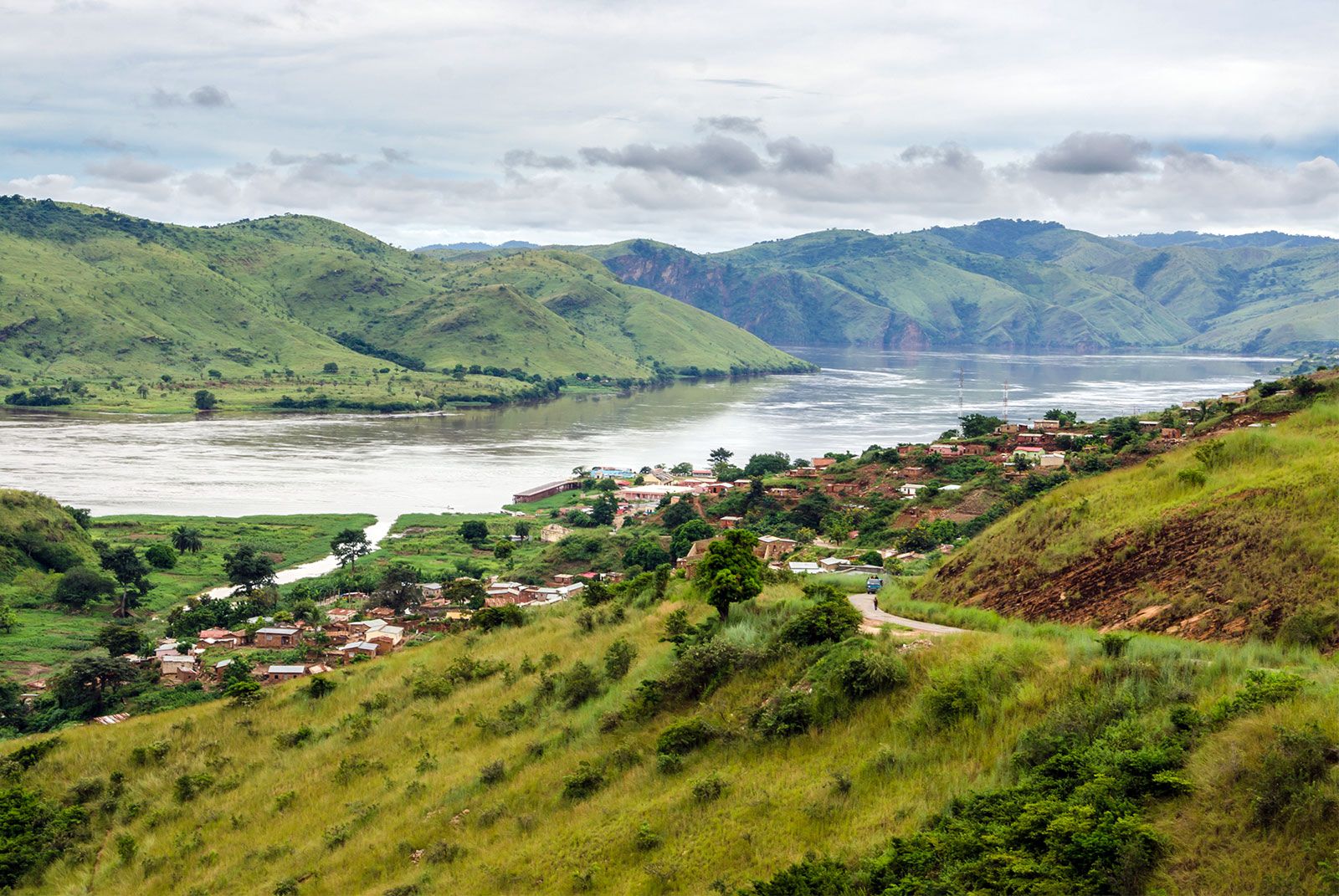
A gallery forest is defined as a forest that grows along a watercourse in a region that is otherwise devoid of trees. In Central Africa, the development of this vegetation is closely tied to the specific environmental conditions found along river systems.1
While dense evergreen forests dominate the central depression of the Congo basin, the landscape often transitions into a mosaic of forest and savanna. Along the rivers that course through these regions, distinct fringing vegetation develops. For example, riverbanks are often bordered by discontinuous strips of vegetation, including grasses such as Echinochloa, papyrus, and sedge.23
The transition from these riverine meadows to high forest is frequently marked by specific shrubs, such as Alchornea, which grow on the levees behind the banks. In other areas, such as along the Zambezi River, the riverine forest includes species like ebony (Diospyros mespiliformis) and various ferns. These forests rely on the localized moisture and soil conditions provided by the river, allowing tree growth to persist even in areas where the surrounding landscape may be dominated by savanna or grassland.241