
How did Roman Catholic missionaries influence politics in Wallis and Futuna?
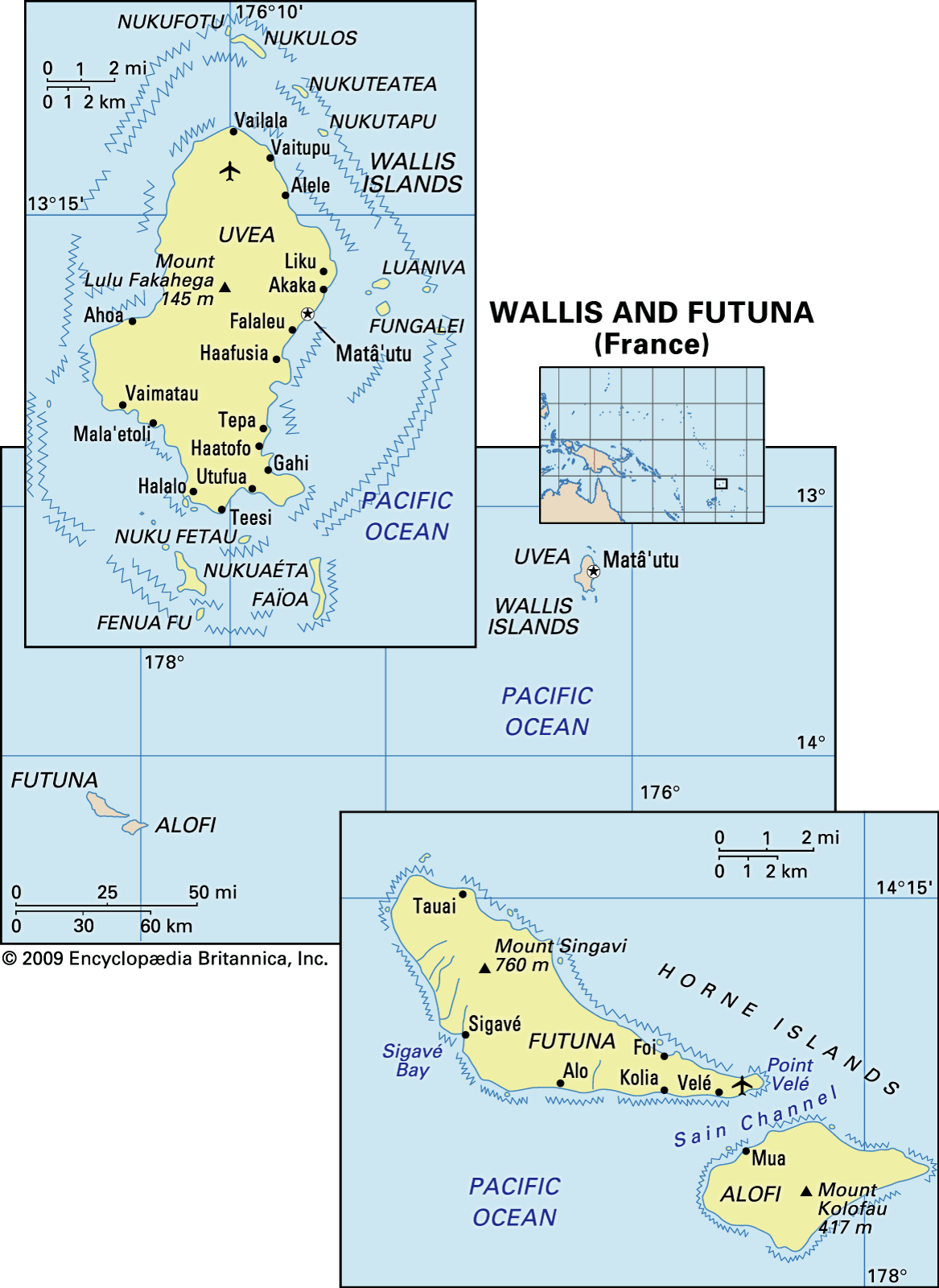
French Marist priests arrived in Wallis and Futuna during the 1830s and achieved significant success in their missionary efforts within a decade. Unlike other regions in the Pacific that experienced religious conflict, the Catholic mission faced no serious challenge from Protestant groups, allowing it to become an enduring and influential force in the islands' politics.1
The influence of the Catholic Church is deeply embedded in the structure of the collectivity, which continues to recognize three traditional kingdoms—Uvea, Alo, and Sigave—as part of its governance. The three kings of these traditional divisions serve as members of the Territorial Council, which is responsible for deciding matters of general policy alongside the French-appointed chief administrator. Furthermore, the Catholic mission maintains a direct role in the social development of the islands by operating primary schools alongside the state. By establishing this presence early on, the missionaries acted as intermediaries and helped shape the political and social landscape of the territory.231