
Britannica
Sources used in this answer
How did Gandhian ideas influence industrial relations in Gujarat?
Created from Britannica articles
using AI.
AI can make mistakes, so verify using Britannica articles.
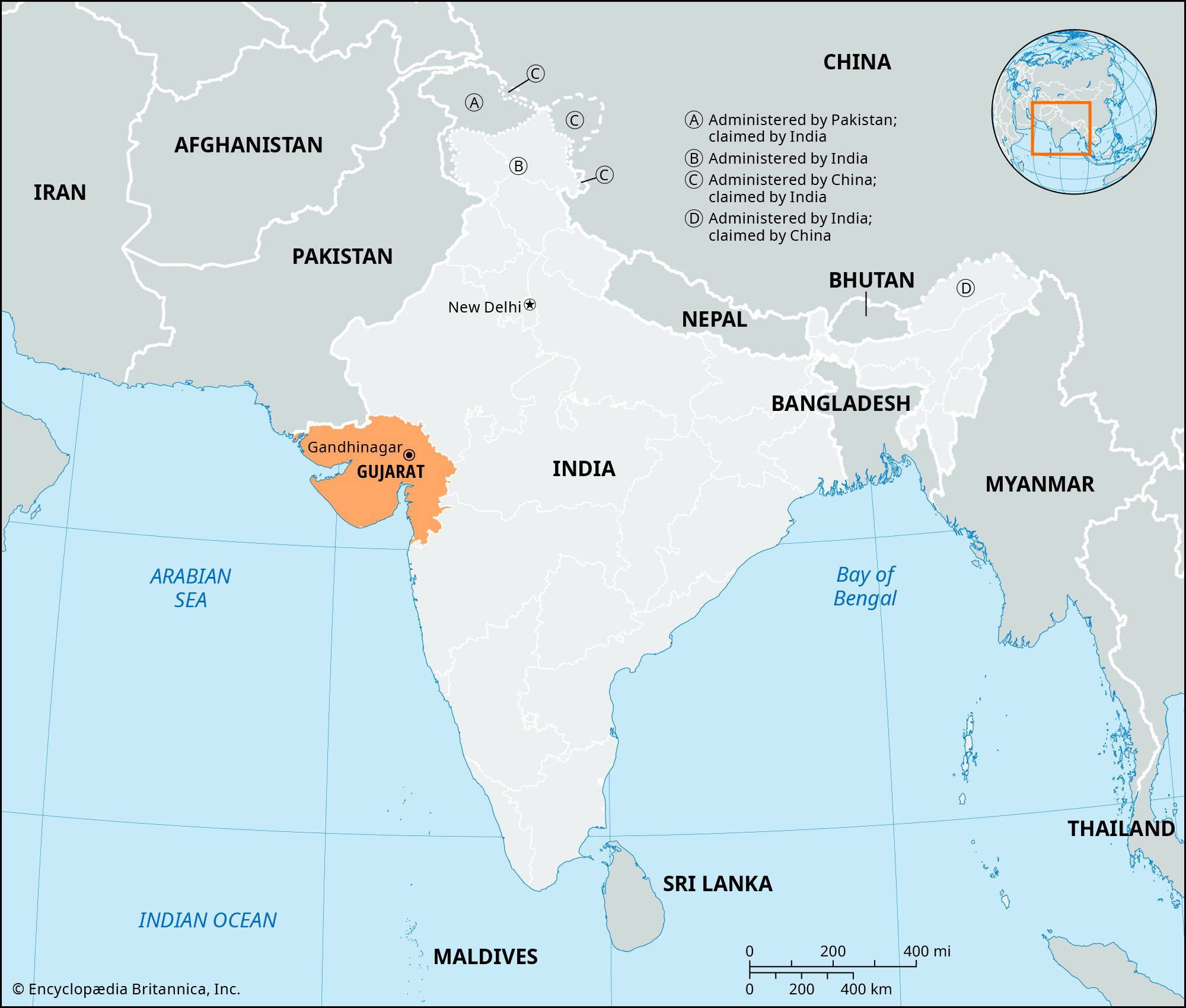
Gandhian philosophy has profoundly shaped industrial relations in Gujarat, fostering a climate that has remained relatively free from labor unrest. This approach is rooted in the principles of Mahatma Gandhi, emphasizing strict adherence to truth, nonviolence, and the pursuit of justice through moral persuasion.1
Key elements of this influence include:
- Arbitration and Negotiation: Gandhian methods prioritize settling disputes through arbitration rather than confrontation. A landmark example occurred during the 1918 Ahmedabad Mill Strike, where Gandhi mediated a wage dispute. His intervention led both parties to agree to arbitration, resulting in a 35 percent wage increase and improved working conditions for laborers.123
- Restraint and Ethics: The Gandhian model advocates for making minimal, reasonable demands and utilizing strikes only as a last resort.1
- Moral Protest: Gandhi demonstrated that nonviolent tools, such as the hunger strike, could be used to exert moral pressure on management to negotiate in good faith, effectively balancing the power dynamic between owners and workers without resorting to violence.23
By promoting mutual respect and ethical conduct, these ideas have contributed to the stability and efficiency of Gujarat's manufacturing sector.1