
Britannica
Sources used in this answer
How are the Hutu, Tutsi, and Twa populations represented in Rwanda and Burundi?
Created from Britannica articles
using AI.
AI can make mistakes, so verify using Britannica articles.
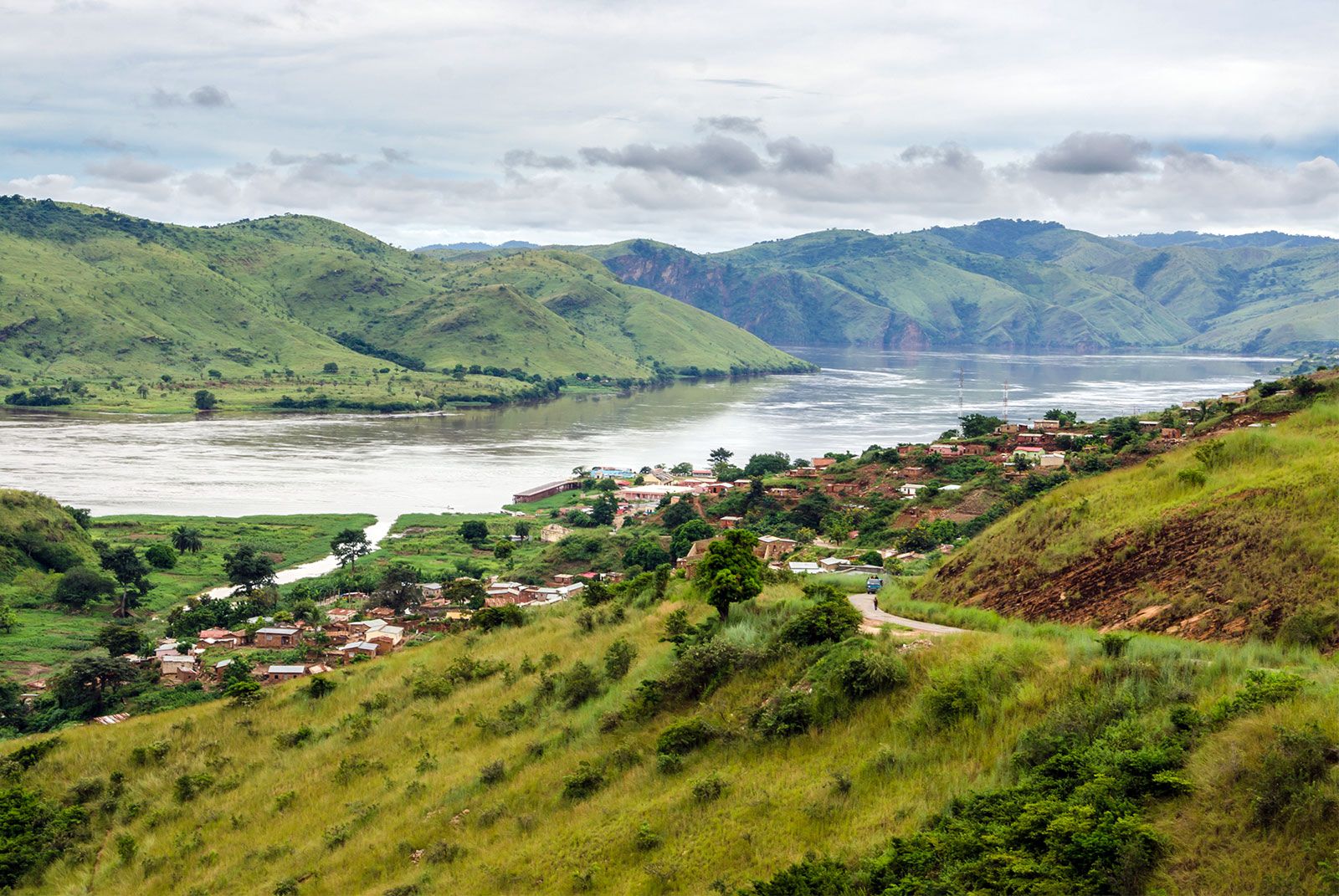
Central Africa
A small village in the hills along the banks of the Congo River, Democratic Republic of Congo, Central Africa.
In Rwanda and Burundi, the population is primarily composed of three groups: the Hutu, the Tutsi, and the Twa.12
- Hutu: They constitute the vast majority of the population in both countries. Traditionally, they have been agriculturalists, though these distinctions have become integrated over time.1234
- Tutsi: They represent a significant minority in both nations. Historically, the Tutsi were pastoralists who maintained social, economic, and political ascendancy over the Hutu through systems like the buhake (cattle contract).125
- Twa: A Pygmy group and the region's original inhabitants, the Twa make up less than 1 percent of the population in Rwanda. They traditionally lived as hunter-gatherers and are known for their pottery skills.1364
While these groups have historically been categorized by their traditional occupations and physical characteristics, centuries of intermarriage and the use of common languages have made these distinctions fluid rather than strictly biological. It is essential to recognize that the history of these groups has been marked by periods of profound conflict, including the 1994 genocide in Rwanda, which caused immense human suffering and loss of life.253