Jean Dieudonné: Quick Facts
Facts
| Also Known As | Jean-Alexandre-Eugène |
|---|---|
| Born | July 1, 1906 • Lille • France |
| Died | November 29, 1992 (aged 86) • Paris • France |
| Founder | Nicolas Bourbaki |
| Subjects Of Study | Lie group • functional analysis • modern algebra • topology |
Related Biographies
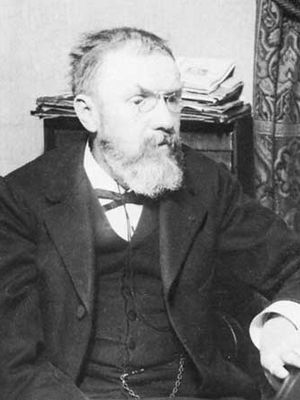
Henri Poincaré
French mathematician
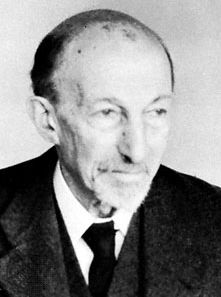
Jacques-Salomon Hadamard
French mathematician

André Weil
French mathematician
Alexandre Grothendieck
German-French mathematician
Laurent Schwartz
French mathematician
René Frédéric Thom
French mathematician
Élie-Joseph Cartan
French mathematician

Alain Connes
French mathematician

Jacques Tits
Belgian mathematician
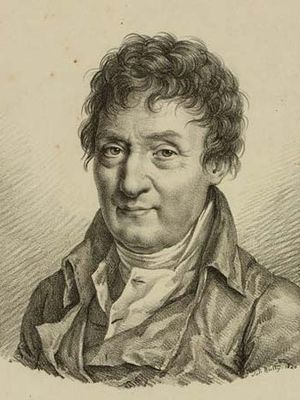
Jacques Charles
French physicist
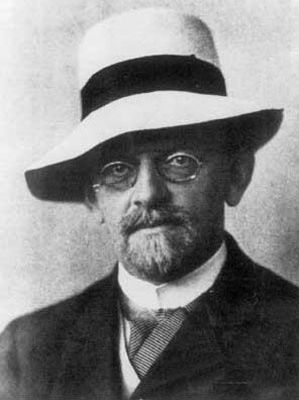
David Hilbert
German mathematician
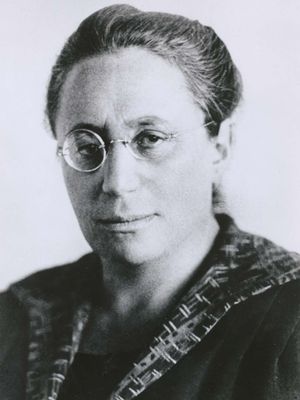
Emmy Noether
German mathematician
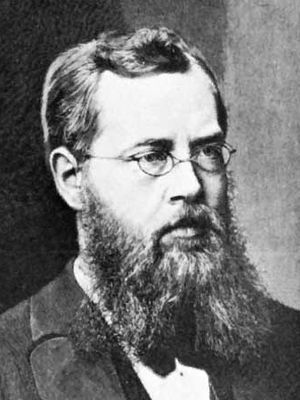
Sophus Lie
Norwegian mathematician
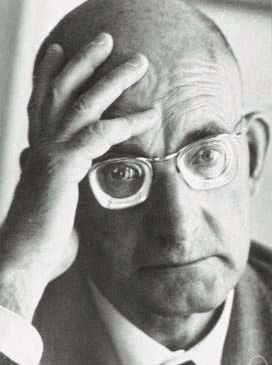
Pavel Sergeevich Aleksandrov
Soviet mathematician
Oswald Veblen
American mathematician
Stephen Smale
American mathematician
Luitzen Egbertus Jan Brouwer
Dutch mathematician
Stefan Banach
Polish mathematician
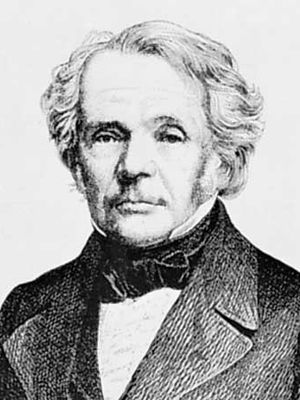
August Ferdinand Möbius
German mathematician and astronomer
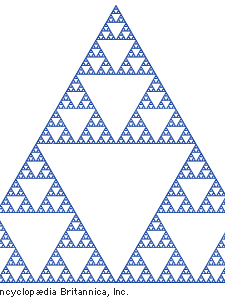
Wacław Sierpiński
Polish mathematician