
Why did the International Atomic Energy Agency rate the Fukushima accident at level 7?
The International Atomic Energy Agency (IAEA) classifies nuclear events using the International Nuclear and Radiological Event Scale (INES), which ranges from 1 to 7.1
The Fukushima accident was rated at Level 7—the highest classification, defined as a "Major accident"—because it involved a major release of radioactive material with widespread health and environmental effects that necessitated the implementation of planned and extended countermeasures.1
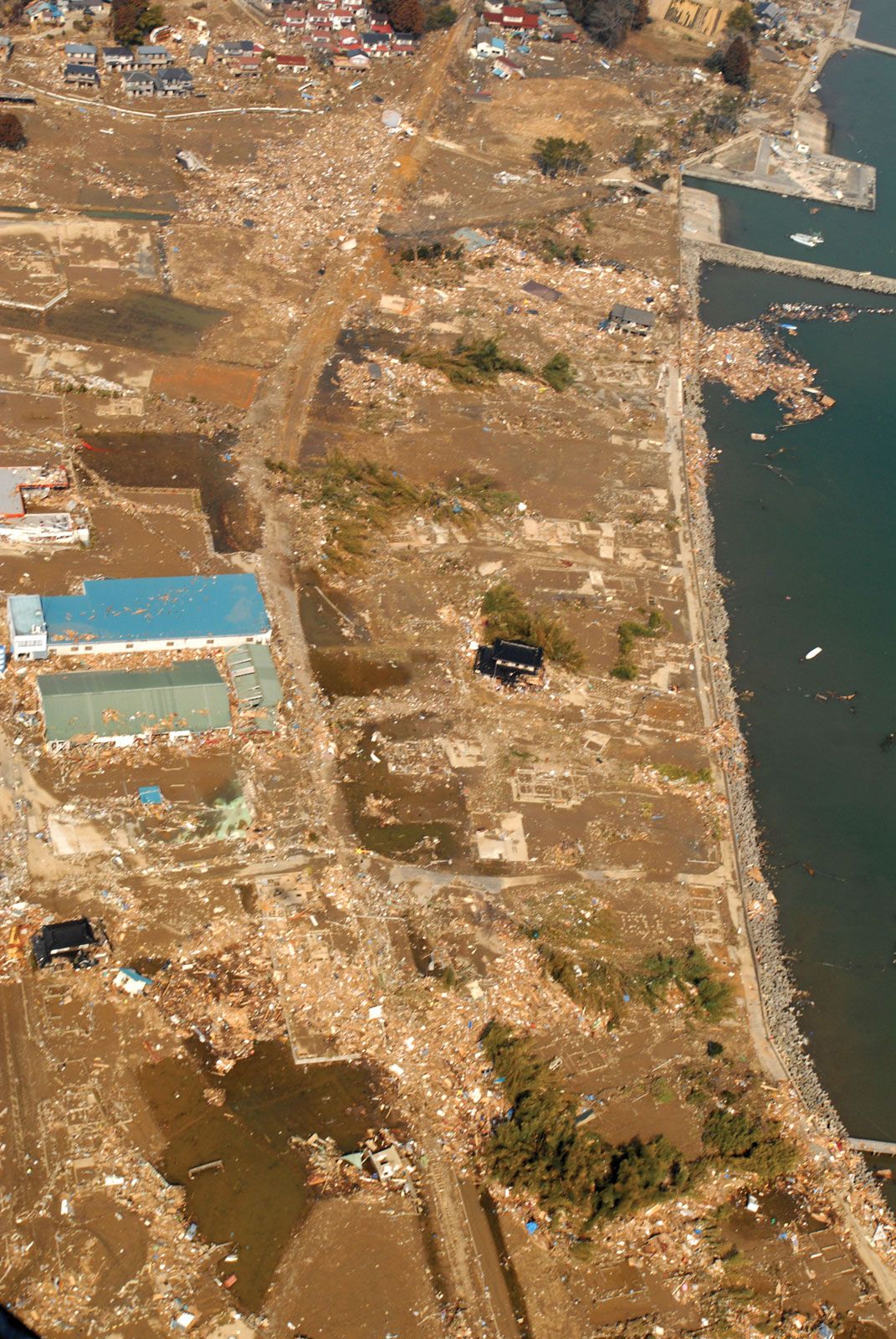
Following the 2011 earthquake and tsunami, the failure of cooling systems at the Fukushima Daiichi plant led to partial meltdowns, hydrogen explosions, and the release of significant levels of radiation into the surrounding environment, including contamination of local food, water supplies, and the ocean. Due to these severe consequences, Japanese regulators elevated the event to Level 7 in mid-April 2011, placing it in the same category as the 1986 Chernobyl accident.2