
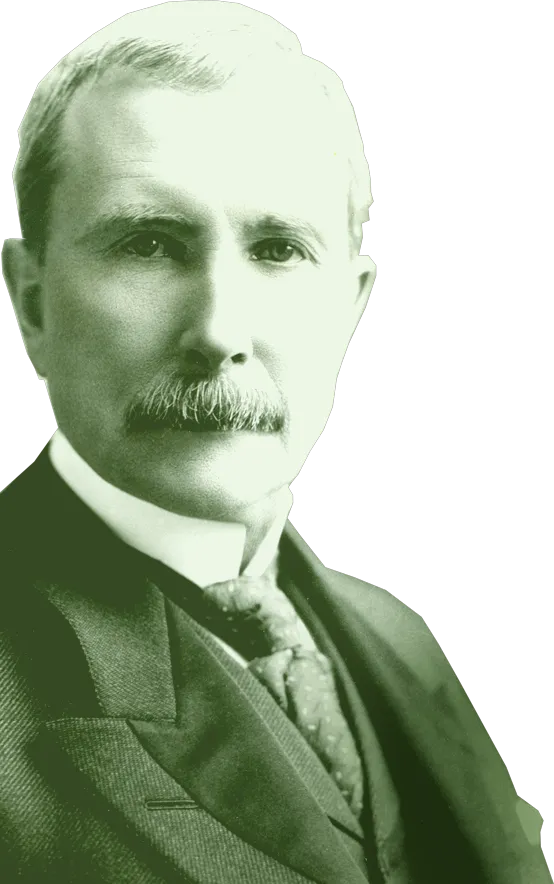
John D. Rockefeller
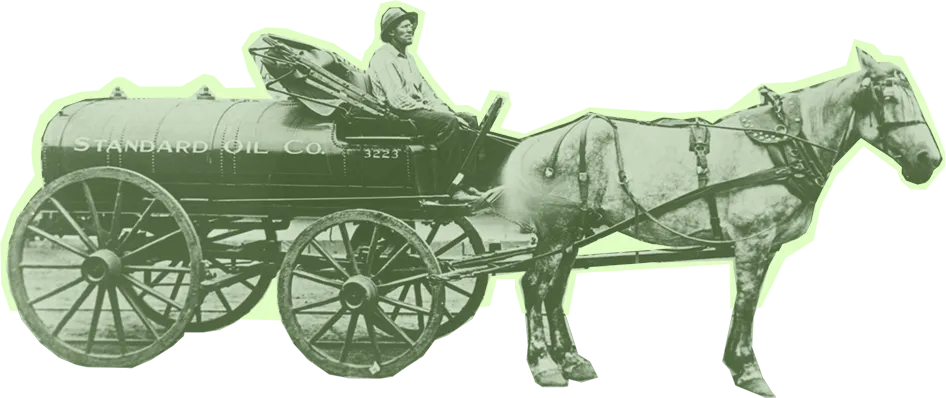


The Legacy
of Standard Oil
From one empire to today’s energy giants.

Standard Oil Building
How one company reshaped
American business
By the late 19th century, John D. Rockefeller (opens in a new tab)’s Standard Oil Company (opens in a new tab) dominated the U.S. oil industry. Its enormous scale helped reduce costs and made distribution more efficient—but it also raised a question the country was only beginning to confront: How much economic power should one company be allowed to have?

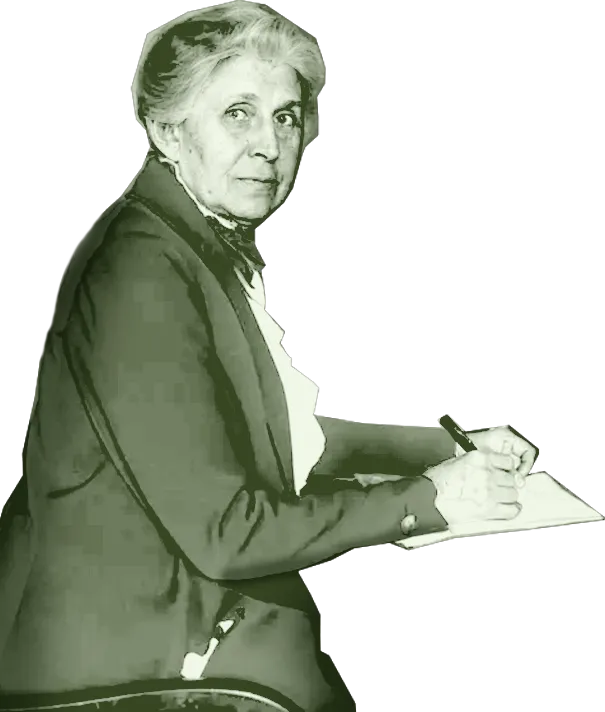
Ida Tarbell
Ida Tarbell takes on Standard Oil
In 1904, muckraking journalist Ida Tarbell (opens in a new tab) published The History of the Standard Oil Company, a detailed account of Rockefeller’s rise and the tactics Standard Oil used to dominate the industry. Her reporting helped turn the company into a national symbol of monopoly power (opens in a new tab) and added momentum to the growing antitrust (opens in a new tab) movement.
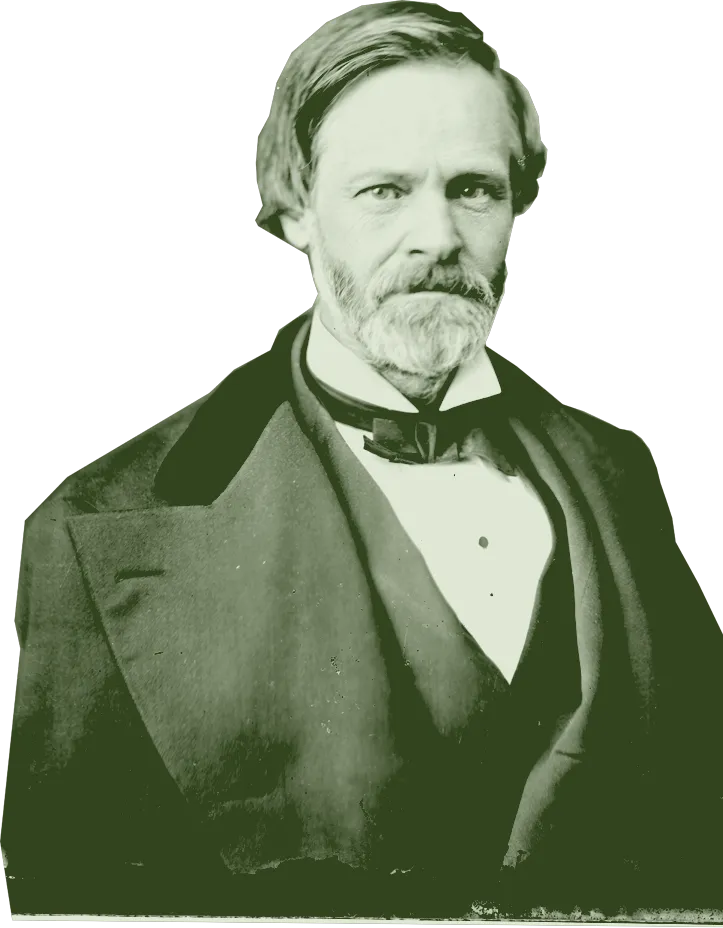
Senator John Sherman
The antitrust fight reaches
the Supreme Court
Congress had passed the Sherman Antitrust Act (opens in a new tab) in 1890, giving the federal government a tool to challenge monopolistic business practices. In 1906, the government sued Standard Oil. Five years later, the U.S. Supreme Court ruled that the company had violated the law and ordered it dissolved.

The breakup
In 1911, Standard Oil was divided into 34 independent companies. Some disappeared. Others merged, changed names, or combined with former rivals. A handful of those lines can still be traced to major energy companies today—including ExxonMobil, Chevron, BP, ConocoPhillips, Marathon Petroleum, Phillips 66, and Shell.
Explore the major descendants of Standard Oil
ExxonMobil
Chevron
BP
ConocoPhillips
Shell
CREDITS
Encyclopædia Britannica, Inc., © Stock Ninja Studio, wolterke, Vhagar, tanibond/stock.adobe.com, © Bettmann/Getty Images, Library of Congress, Washington, D.C.; Brady-Handy photograph collection/Library of Congress, Washington, D.C. (LC-DIG-cwpbh-04451)
Photo illustrations © Encyclopædia Britannica, Inc.
All company logos are trademarks of their respective owners.