
How was the method of exhaustion a forerunner of integral calculus?
The method of exhaustion is considered a forerunner of integral calculus because it provided a rigorous, logical procedure for determining the areas and volumes of curved figures by approximating them with simpler shapes, such as polygons or prisms.12
While the method did not utilize modern concepts of limits or infinitesimals, it functioned by "exhausting" the space within a figure through successive approximations. By showing that the area or volume of a shape could be bounded between values that grew closer together as the number of approximating elements increased, mathematicians like Archimedes could precisely determine the value of the area or volume.123
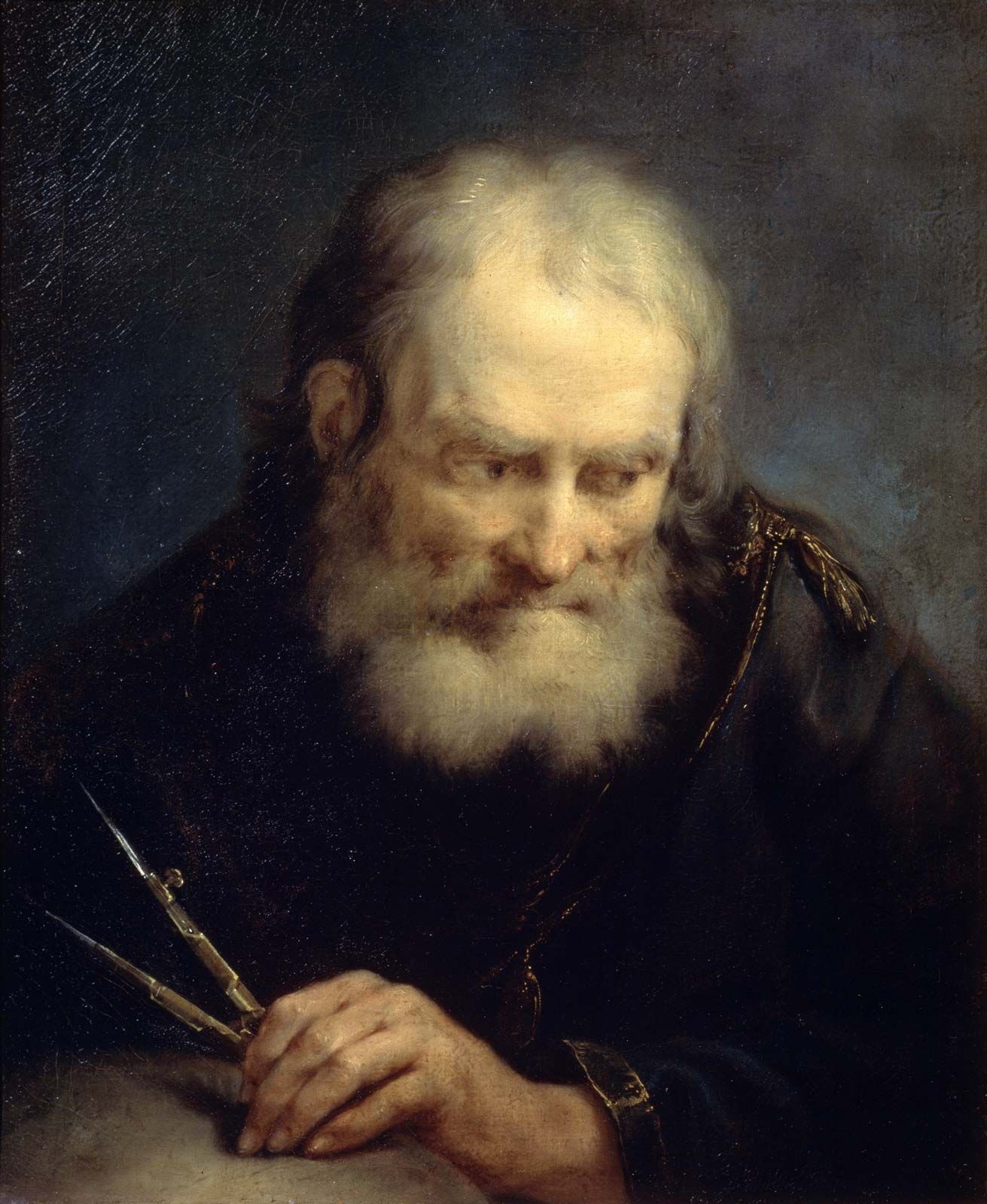
Archimedes masterfully applied this technique to solve complex problems, such as finding the area of a parabolic segment and the volume of a sphere. These geometric proofs effectively addressed problems that are now solved using integration. Although Archimedes also explored a "mechanical" method involving infinitesimals to discover these results, he maintained the highest standards of rigor by relying on the method of exhaustion for his formal proofs.14