
Why is regular maintenance considered essential for building conservation?
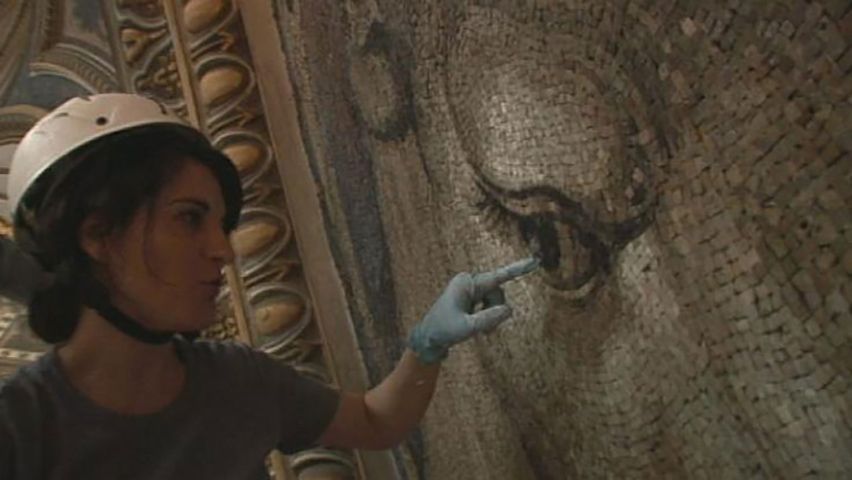
Regular maintenance is considered essential for building conservation because it prevents the cumulative, damaging effects of neglect. While a building's lifespan can be quite long, human tenancy is often relatively short, making consistent, "daily care" vital for its survival.1
By practicing regular attention to a building's needs, conservators can extend its life and ensure its continued enjoyment. Neglect often leads to accelerated decay, particularly when issues like damp or structural instability are left unaddressed. Because no structure is permanently still—as materials move with heat, wind, and soil changes—ongoing monitoring allows for the early identification of problems before they become severe.1
Ultimately, a successful conservation plan relies on this proactive approach, identifying the specific demands of the structure and the needs of its occupants to preserve the best of the past for the future.1