
Britannica
Sources used in this answer
Why is moisture one of the greatest dangers to wall paintings?
Created from Britannica articles
using AI.
AI can make mistakes, so verify using Britannica articles.
Art conservation and restoration
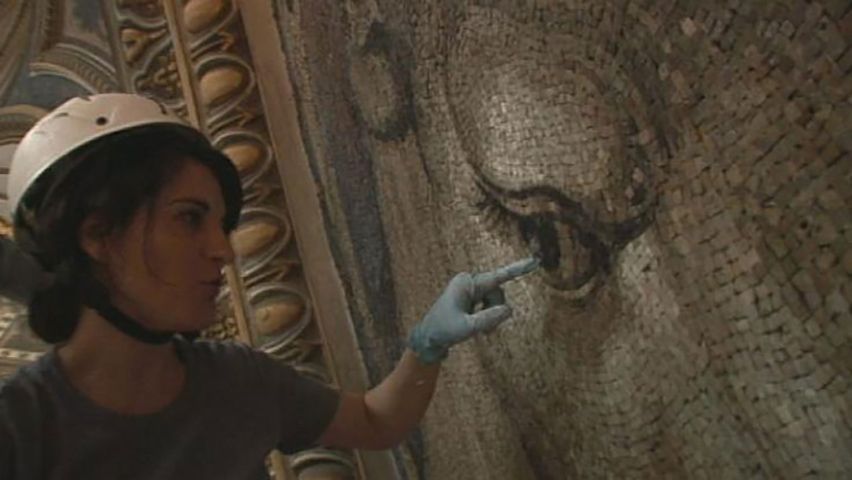
Learn about the restoration of tiles in St. Peter's Basilica, Vatican City.
Excessive moisture is considered the primary hazard to wall paintings because it acts as a catalyst for various destructive physical and chemical processes. Dampness can originate from rising ground moisture, rainwater infiltration, condensation, or plumbing failures, leading to several critical forms of damage:1
- Structural Decay: Moisture causes blanching, drip staining, and the delamination of paint layers. It also facilitates the formation of efflorescence, where crystallized salts form within or beneath the image, causing it to disintegrate or become obscured by a salty "veil".1
- Chemical Erosion: In polluted environments, moisture interacts with sulfur dioxide to form sulfuric acid, which erodes the calcium-carbonate base of many wall paintings. This process converts the material into calcium sulfate, which expands and creates internal pressure that leads to fracturing.1
- Biological Growth: Overly damp environments provide ideal conditions for the growth of mold and mildew, which can further degrade the surface.1
Because wall paintings are integral to their architectural context, conservators prioritize managing these moisture sources through building maintenance and environmental control to ensure long-term preservation.1