
Britannica
Sources used in this answer
Why is a detailed survey important before conserving an old building?
Created from Britannica articles
using AI.
AI can make mistakes, so verify using Britannica articles.
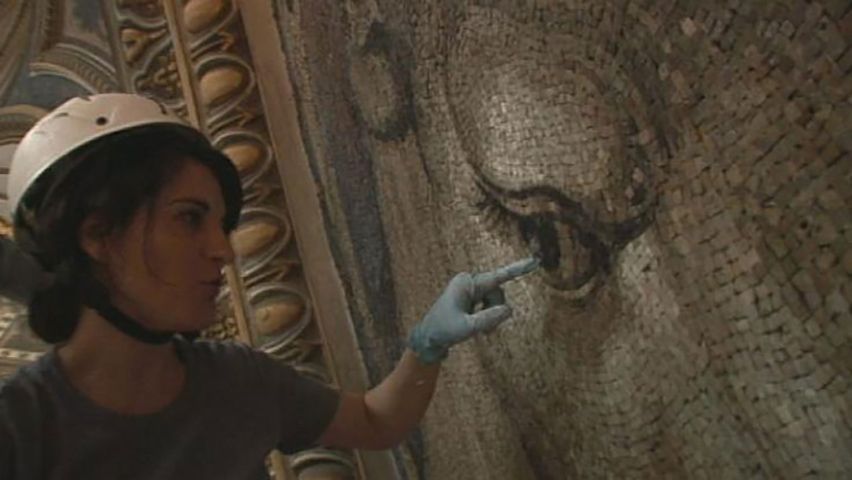
Art conservation and restoration
Learn about the restoration of tiles in St. Peter's Basilica, Vatican City.
A detailed survey is a fundamental requirement in the conservation of an old building because it provides the essential data needed to understand the structure's "biography," current condition, and specific vulnerabilities.1
Conducting a thorough assessment is important for several reasons:
- Understanding History and Stability: Every building has a unique history and pattern of movement. A survey allows the conservator to analyze structural stability, identifying how materials react to environmental factors like heat, wind, and subsoil expansion.1
- Identifying Structural Risks: It helps detect hidden dangers, such as rotting foundations, leaning walls, or the effects of uneven loading. By using tools like plumb lines or electronic measuring devices, surveyors can monitor movement over time to prevent collapse.1
- Evaluating Services: A survey ensures that all building services—such as electrical wiring, gas lines, and plumbing—are inspected for safety risks like fire, explosions, or leaks.1
- Informed Planning: By identifying both the strengths and weaknesses of a building, a conservator can define necessary remedies and prioritize them based on urgency, allowing for a balanced and phased conservation plan that aligns with available budgets.1