
Why do conservators usually prefer to treat wall paintings in their original locations?
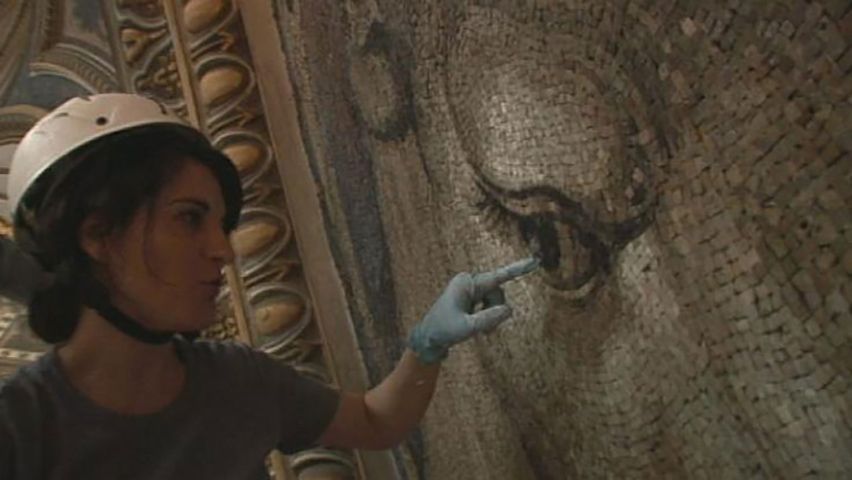
Conservators generally prefer to treat wall paintings in their original locations because these works are physically and aesthetically dependent upon their architectural context.1
The art conservation community values the "site-specific" nature of these paintings, recognizing that they are integral to the building's material and aesthetic identity. Relocating a wall painting can lead to a significant diminishment of its meaning and the viewer's ability to appreciate it as the artist intended. Furthermore, because wall paintings are executed directly onto primary supports—such as plaster, masonry, or stone—they are deeply connected to the surrounding building fabric.1
While extreme circumstances may occasionally necessitate the removal of a painting, such procedures are often invasive and can irreversibly alter the surface character or density of the pigment layer. Consequently, experts prioritize in situ treatments, which allow the conservator to preserve the original building fabric and maintain the character of the site as nearly as possible.1