
Britannica
Sources used in this answer
Why do conservators often preserve the patina on metal sculptures?
Created from Britannica articles
using AI.
AI can make mistakes, so verify using Britannica articles.
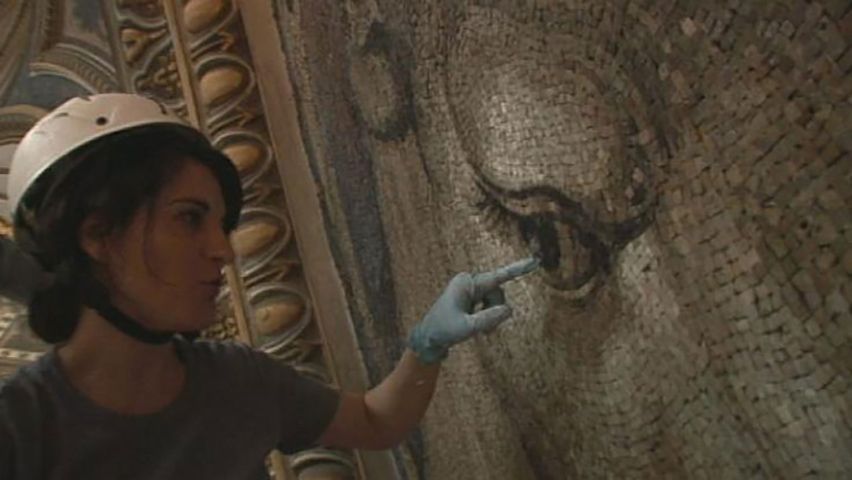
Art conservation and restoration
Learn about the restoration of tiles in St. Peter's Basilica, Vatican City.
In the field of art conservation and restoration, conservators prioritize the preservation of patina—the naturally occurring or artificially created surface layer on metal—for several key reasons:
- Aesthetic Value: Patinas are highly regarded for their visual beauty, often providing colors and textures that enhance the sculpture's appearance.12
- Authenticity: A patina serves as a testament to the object's history and age, lending it a sense of authenticity that is lost if the surface is stripped down to the raw metal.1
- Historical Evidence: For archaeological or ethnographic works, the corrosion products that form a patina may contain vital remnants of original surface treatments, traces of associated materials, or evidence of how the object was used. Removing these layers can result in the permanent loss of this historical data.1
Because of these factors, modern conservation practices favor a cautious approach. Rather than stripping surfaces, experts now carefully evaluate the importance of these alteration products before considering any removal, often opting to protect the existing patina through regular cleaning and the application of stable, protective coatings.1