
Britannica
Sources used in this answer
Why do conservators make repairs to ceramic vessels reversible?
Created from Britannica articles
using AI.
AI can make mistakes, so verify using Britannica articles.
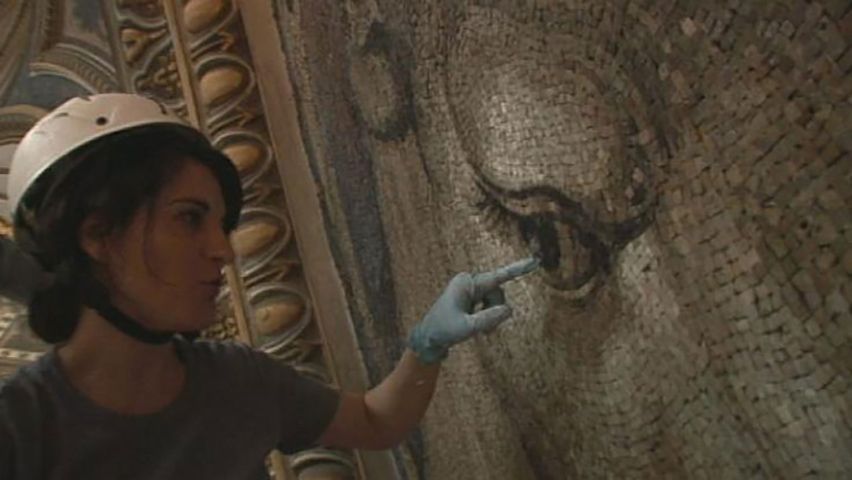
Art conservation and restoration
Learn about the restoration of tiles in St. Peter's Basilica, Vatican City.
In the field of art conservation and restoration, the principle of reversibility is a fundamental ethical guideline. Conservators prioritize reversibility to ensure that any treatment performed on a ceramic vessel does not cause permanent, irreversible alteration to the original object.12
This approach is essential for several reasons:
- Preservation of Integrity: By using materials that can be removed, conservators ensure that the original material remains intact and is not compromised by the repair process.12
- Future Advancements: Conservation techniques and scientific understanding continue to evolve. Reversibility allows future conservators to remove current repairs and apply more advanced or appropriate treatments as technology improves.2
- Ethical Transparency: Modern practice emphasizes that repairs should not mislead observers or scholars regarding the true condition of an object. Reversibility, combined with thorough documentation, ensures that modern additions can be distinguished from the original work, preventing the falsification of historical evidence.12
Ultimately, the choice of adhesives and fill materials is always made with the goal of balancing long-term structural stability with the ability to safely undo the work if necessary.1