
Britannica
Sources used in this answer
Why can removing yellowed varnish from a painting be risky?
Created from Britannica articles
using AI.
AI can make mistakes, so verify using Britannica articles.
Art conservation and restoration
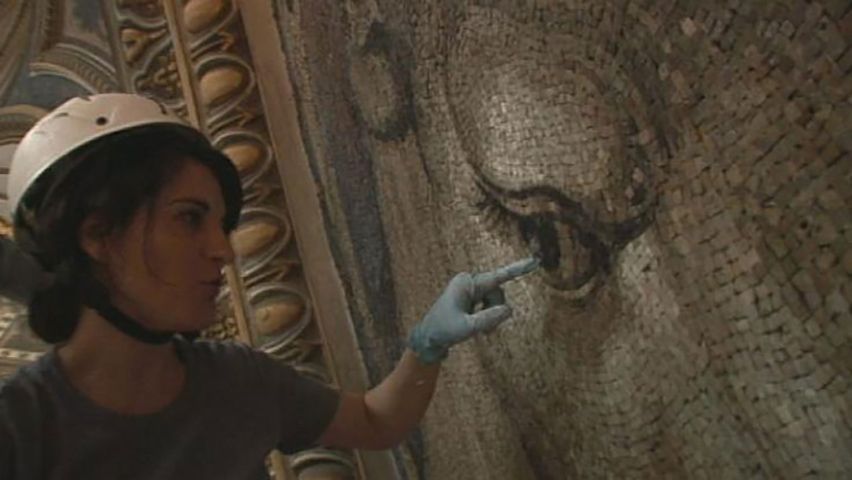
Learn about the restoration of tiles in St. Peter's Basilica, Vatican City.
Removing yellowed varnish from a painting is a delicate procedure that carries significant risks if performed improperly. Because natural resins like mastic and damar become brittle and less soluble as they age, the cleaning process requires the use of organic solvents or other cleaning agents that can potentially cause physical and aesthetic harm to the artwork.1
The primary risks include:
- Sensitivity and Intractability: Some paintings are inherently more sensitive to cleaning than others, and certain varnish formulations can be unusually difficult to remove.1
- Leaching: Many organic solvents used in the process are known to leach components of the medium from the oil paint itself, which can damage the painting's structural integrity.1
- Improper Technique: Because the process is highly technical, any lack of skill or experience can lead to permanent damage.
Due to these dangers, it is an ethical imperative that such cleaning be performed only by an experienced professional, and the frequency of the procedure should be kept to an absolute minimum to preserve the work's integrity.1