
Why can moving a wall painting change its meaning or lessen appreciation of it?
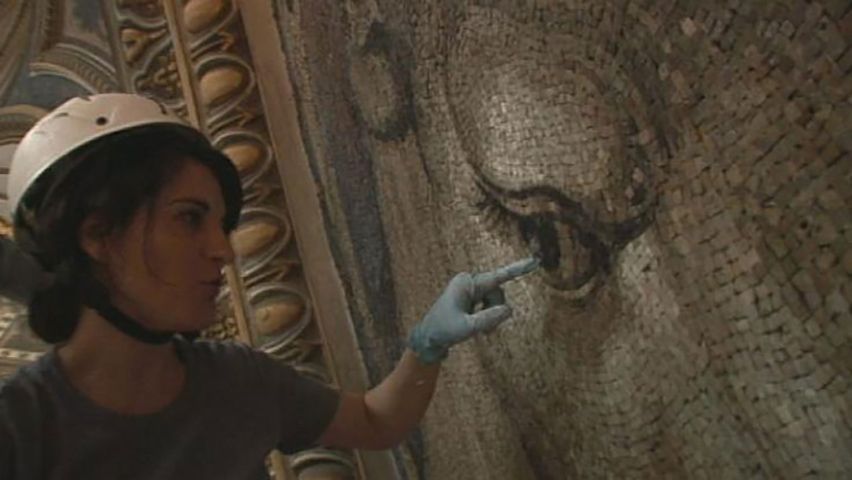
Moving a wall painting can diminish its meaning or appreciation because these works are inherently "site-specific," meaning they are physically and aesthetically dependent upon their original architectural context.1
The art conservation community emphasizes that wall paintings are not merely images but are integral to the buildings they inhabit, both in material and aesthetic terms. When a painting is removed from its intended location, the character of the original site is lost, which can lead to a significant reduction in the viewer's ability to appreciate the work as it was originally conceived.1
Furthermore, the process of transferring a wall painting—such as through techniques like strappo or stacco—can cause irreversible damage. These methods may alter the original surface character of the wall and the density of the pigment layer, fundamentally changing the physical nature of the artwork. Because of these risks to both the integrity of the piece and its contextual significance, conservators generally prioritize in situ treatments to preserve the painting's relationship with its environment.1