
Britannica
Sources used in this answer
How can structural movement cause damage to historic buildings?
Created from Britannica articles
using AI.
AI can make mistakes, so verify using Britannica articles.
Art conservation and restoration
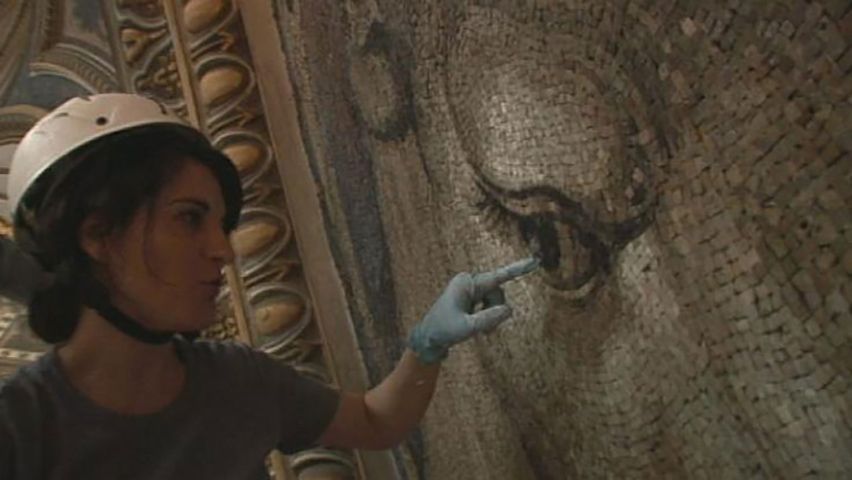
Learn about the restoration of tiles in St. Peter's Basilica, Vatican City.
In the context of art conservation and restoration, it is a fundamental principle that no structure is permanently still; buildings exist in a constant state of movement. Structural movement can cause significant damage to historic buildings through several mechanisms:1
- Environmental and Soil Factors: Subsoil expansion and contraction, particularly in clay soils, can cause walls to lean as the ground beneath them shifts. Additionally, materials naturally expand and contract due to fluctuations in heat and wind.1
- Mechanical and Dynamic Forces: Thrusts within a building—where one structural element pushes against another—can lead to instability. External forces, such as vibrations from activities like bell ringing, also impact a building's structural integrity.1
- Construction Defects: In double-skin walls with rubble cores, uneven loading can cause one skin to bulge. This movement creates a "live wedge" that forces the wall faces apart, gaining momentum and causing rapid deterioration.1
- Foundation Failure: Over time, original support systems, such as wooden piles, may rot, necessitating complex interventions like underpinning to prevent collapse.1
Conservators monitor these movements using tools like plumb lines, "tell-tales," and electronic measuring devices to assess stability and plan necessary stabilization efforts.1