
Britannica
Sources used in this answer
How can repairing roofs and drains help protect wall paintings?
Created from Britannica articles
using AI.
AI can make mistakes, so verify using Britannica articles.
Art conservation and restoration
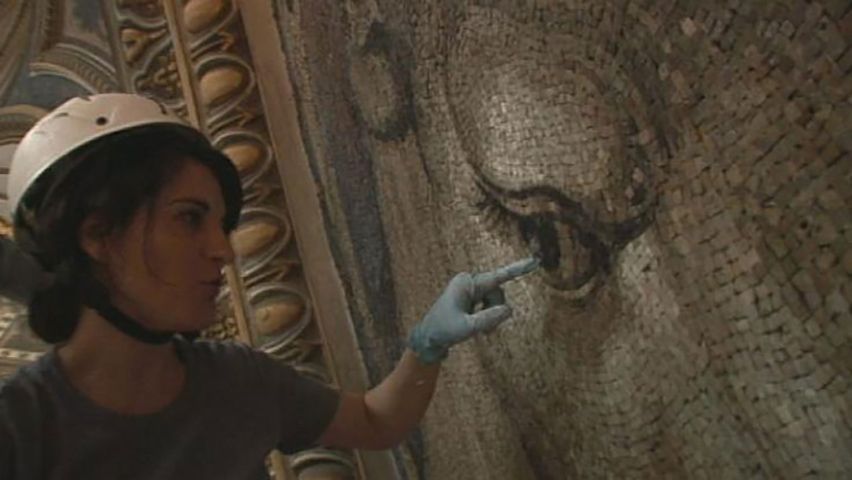
Learn about the restoration of tiles in St. Peter's Basilica, Vatican City.
Repairing roofs and drains is a critical aspect of art conservation and restoration because moisture is one of the primary hazards to wall paintings.1
When roofs are damaged or drainpipes are clogged, water can infiltrate the building's substrate and reach the surface of a painting. This moisture can cause significant damage, including:
- Physical deterioration: Excess dampness leads to blanching, drip staining, and the delamination of paint layers.1
- Salt damage: Moisture can transport harmful salts into the wall, which crystallize and create a "salty veil" that disintegrates or obscures the image.1
- Biological growth: Overly damp environments promote the growth of mold and mildew.1
- Chemical erosion: In polluted environments, moisture facilitates the formation of sulfuric acid, which erodes lime-based wall paintings and causes internal structural pressure through the formation of sulfate crystals.1
Because conscientious maintenance is the most effective preventative treatment, repairing these systems stops water damage at its source, protecting the integrity of the wall painting and its architectural context.12