
Britannica
Sources used in this answer
How can damp cause timber in historic buildings to rot?
Created from Britannica articles
using AI.
AI can make mistakes, so verify using Britannica articles.
Art conservation and restoration
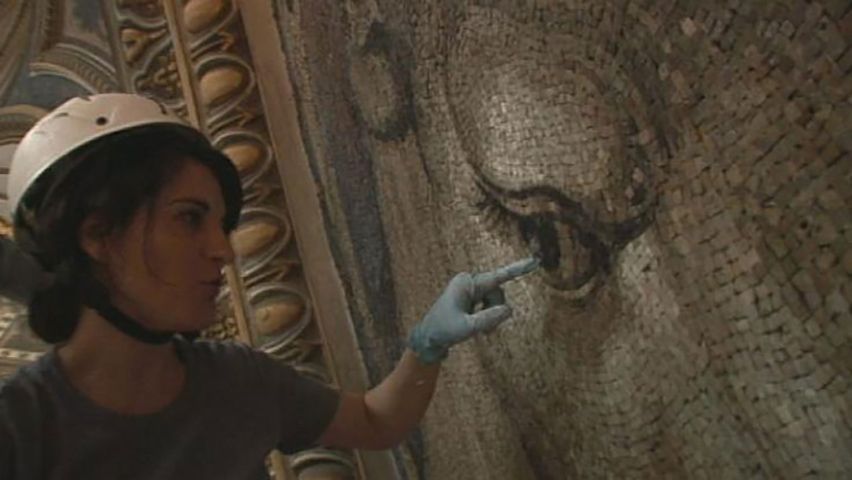
Learn about the restoration of tiles in St. Peter's Basilica, Vatican City.
In the context of art conservation and building restoration, damp is a primary adversary that accelerates the decay of timber. While wood is durable, it is susceptible to degradation by fungi when environmental conditions—specifically moisture, air, and temperature—are suitable for their growth.12
Damp causes timber to rot through the following mechanisms:
- Fungal Growth: Decay fungi thrive in wood with high moisture content. When moisture levels in timber exceed 20 percent, it creates an environment where fungi can actively consume the wood's cellulose, which is the primary structural component of plant cells. This process leaves behind a weakened, tindery shell.321
- Wet Rot: This term refers to the decay of timber caused by fungi that specifically attack wood with high moisture content, resulting in soft, watery decayed tissues.3
- Dry Rot: Despite the name, the fungus Merulius lacrymans—the most voracious attacker of building timbers—often thrives in damp conditions. It can spread from infected areas to sound timber by carrying its own moisture supply, eventually reducing the wood to a powder.14
- Insect Infestation: Dampness also attracts wood-boring insects, such as the deathwatch beetle, which prefers oak that has been softened by rot or moisture.1